You do not need to finish the whole file tonight
The drive was supposed to be the ordinary part of your day. After a collision, even simple decisions can become awkward: who is picking you up, where the vehicle is going, which number belongs to the person who called. Start with immediate safety and health needs. When those have been addressed, give yourself a smaller job than solving the accident. Make one place for the information already arriving.
A folder on your phone, a paper envelope or a notebook can work. Choose something you can find tomorrow. Put the date and the location you actually know on the front. If someone is helping, tell them where to save a receipt or message. The purpose is to make the next day manageable, not to create a perfect account while you are tired.
Bellmawr is a starting point, not the name of every ramp
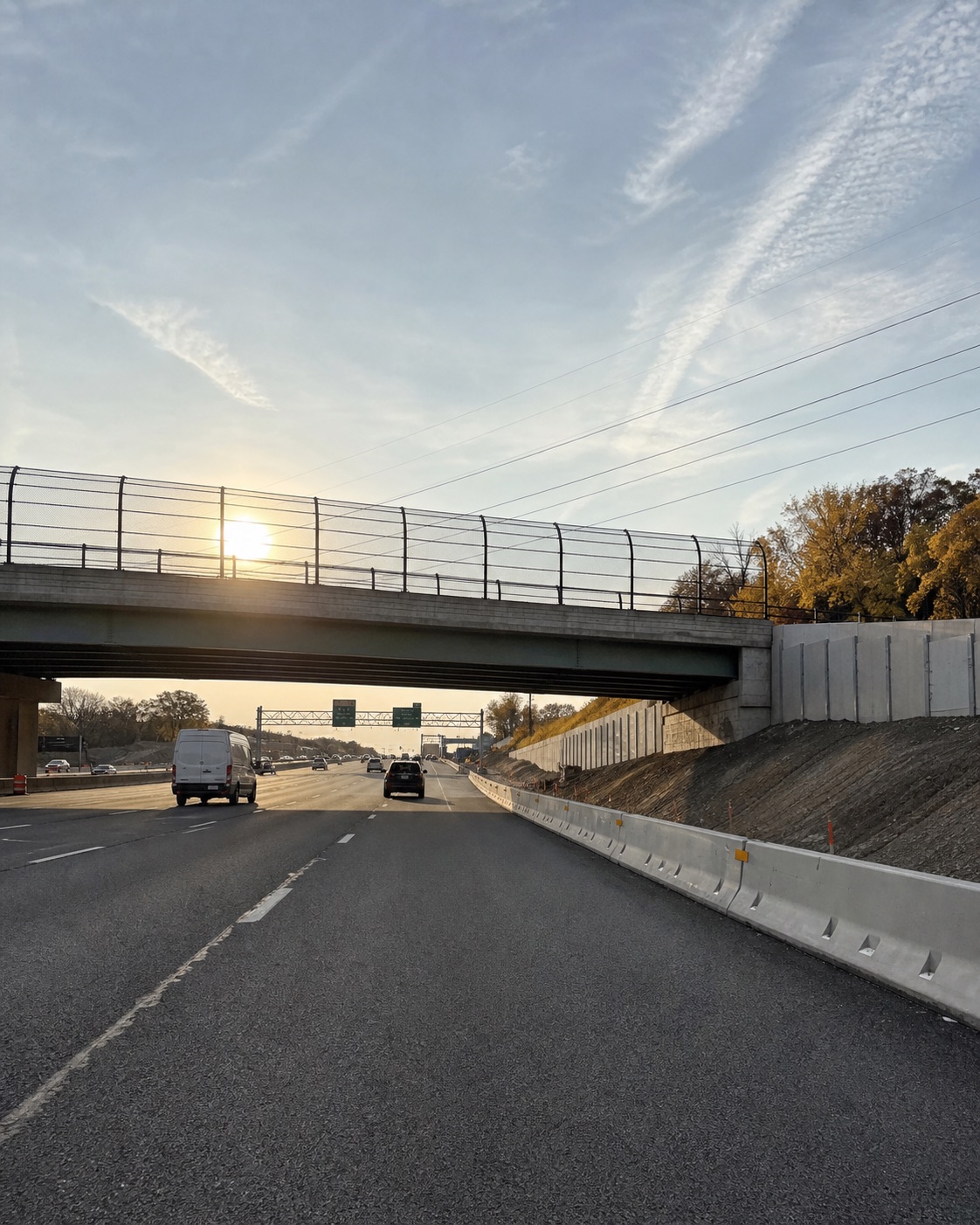
NJDOT describes the Direct Connection interchange as involving I-295, I-76 and Route 42, within Bellmawr, Mount Ephraim and Gloucester City. That explains why a familiar trip can be difficult to describe to someone who does not drive it. You may remember where you were heading more clearly than the formal name of a connector.
Begin with your own trip: the road you were on, the direction you know and the last sign you remember. Add that you were near Bellmawr if that is reliable. Keep a question mark beside a ramp name you have not confirmed. This guide uses the NJDOT page for geography. Its project background does not establish which lanes, closures or temporary signs applied on the day of your collision.
Ask one person to help with the practical list
A relative or friend can be useful without becoming the spokesperson for everything. Ask for a specific task, such as collecting the papers handed to you, keeping the transport receipts or writing down the number of the tow company. Explain which details should come from you and which they personally know.
If your helper calls a business, ask them to record who answered and what the business actually said. A note that a vehicle can be collected at a certain place is different from confirmation that an insurer will pay a charge. Keep those statements separate. Avoid having three people make the same call and return with three versions of the answer. One shared practical list, kept privately, can reduce that confusion.
Find out where the vehicle and its belongings went
Once you are in a safe place, locate any document that identifies the vehicle's destination and the business holding it. Read the actual address and contact details rather than relying on a description such as “the shop nearby.” Before arranging a visit, confirm what the business needs from you and whether the information you received is current.
Make a separate list of belongings you may need: work equipment, child seats, medication or paperwork. Do not assume you can enter a storage yard or remove an item without arranging access. Save invoices and written instructions as they arrive. This is a logistics step. A towing document can identify a destination or pickup location without proving where the collision happened or deciding who is responsible for a cost.

Keep your first recollection in ordinary language
When you have a quiet moment, describe the part of the drive you remember. Short sentences are enough. You were approaching a sign. Traffic slowed. You noticed contact. Someone spoke to you afterward. Mark the difference between something you saw and something another person told you. You do not need to supply every missing second.
If a passenger writes their own account, keep it under their name. Their view may have been different from yours. When you later notice an error in your notes, add a dated correction instead of replacing the original without explanation. An honest account can change as you learn more. It becomes less useful when observations, assumptions and later conversations are mixed together as though they all happened at the scene.
Make the paperwork easy to sort when calls begin
Create separate spaces for the accident account, the vehicle documents and the correspondence. Keep health-related documents in a private part of the file. Use a short label for each company or claim rather than treating every insurance conversation as the same discussion. If a representative requests a file, ask which claim it belongs to and confirm the destination.
You can use our guide to an insurance call log as a companion to this article. The useful question is often simple: what was requested, who should send it and how will you know it arrived? Keep the actual document and any submission confirmation together. A neat folder does not determine coverage, but it can prevent the avoidable problem of discussing one file while looking at papers from another.
Write down changes to your routine without guessing their meaning
A collision may interrupt a work journey, school pickup or an appointment. Keep a factual note of the changes you actually made and the receipts or messages connected with them. For example, preserve a transport receipt and identify the journey it covered. Do not turn a rough estimate of an inconvenience into a documented expense.
Health questions deserve their own attention. Seek appropriate care when you have concerns, and explain what you personally experienced. A vehicle damage photograph is not a medical assessment. Record a question you want to ask a clinician rather than trying to answer it from a picture or an online discussion. This article is a practical organizer. It cannot determine which symptoms relate to an accident or which expenses a particular claim will cover.

Prepare three questions for the next conversation
The next conversation can be easier if you bring a short list. Which document is still missing? Which company is asking for it? What part of the location or sequence remains uncertain? These are useful questions even before you have a full report or every photograph. If you have a report number, include it without assuming what the completed report will say.
For legal questions, speak with a qualified lawyer about the actual circumstances and records. A corridor name, a construction project or the size of a repair estimate does not establish responsibility or predict an outcome. You can explain that you were near the Bellmawr interchange and still say you are unsure about the exact connector. That clear boundary gives the person helping you a sensible place to start.
A small checklist for tomorrow morning
Before putting the file away, choose the next task you can complete. Check the vehicle destination. Save the message you received. Ask for clarification of a document request. Leave unresolved items on the list instead of filling them with a guess. If the task depends on another person, note who you contacted and what response you are waiting for.
Then return to the needs of your day. You do not have to keep retelling the accident to make the folder useful. The goal is to protect the information you already have and make the next conversation clearer. Our accident records and consultation preparation guides offer more help with organizing that material. An inquiry through this website is a next step to understand, not a promise of representation or compensation.