Begin with what was actually supplied after the event
A card, message or spoken instruction from a responder is a better starting point than a search for the nearest office. Gather that information and record what source supplied each detail. If you have an agency name or reference, preserve it as written. If you have only a partial recollection, keep it labeled accordingly.
The NJDOT I-280 inventory identifies East Orange City in Essex County along the route. That gives a stable geographic frame; it does not identify the agency that handled a particular event. Keep the known highway segment and direction in a brief summary. The first task is to find the lead you actually possess and see what it can support, rather than turn a municipal label into a confirmed report contact.
Separate an incident reference from other numbers
An insurer, service provider and responding organization can each assign a number. Create an index with the source, purpose and original document for each. This allows you to identify which reference belongs in a particular inquiry rather than assuming all the numbers retrieve the same file.
If a form or contact asks for a number you do not have, ask what identifier it requires and which alternatives are appropriate. Do not shorten, change or combine a number to make it fit. Keep the clarification with the request. A failed search using an insurer’s reference may say nothing about an agency record. The index helps explain that practical distinction before repeated attempts leave you unsure which number was supplied to which recipient.
Write the location summary once
Create a short factual location entry: I-280, direction if known, approximate point or last remembered sign and whether the event was on the main road or a connecting movement. Mark uncertain details clearly. The entry can be reused in an inquiry without being rewritten into a more definite version each time.
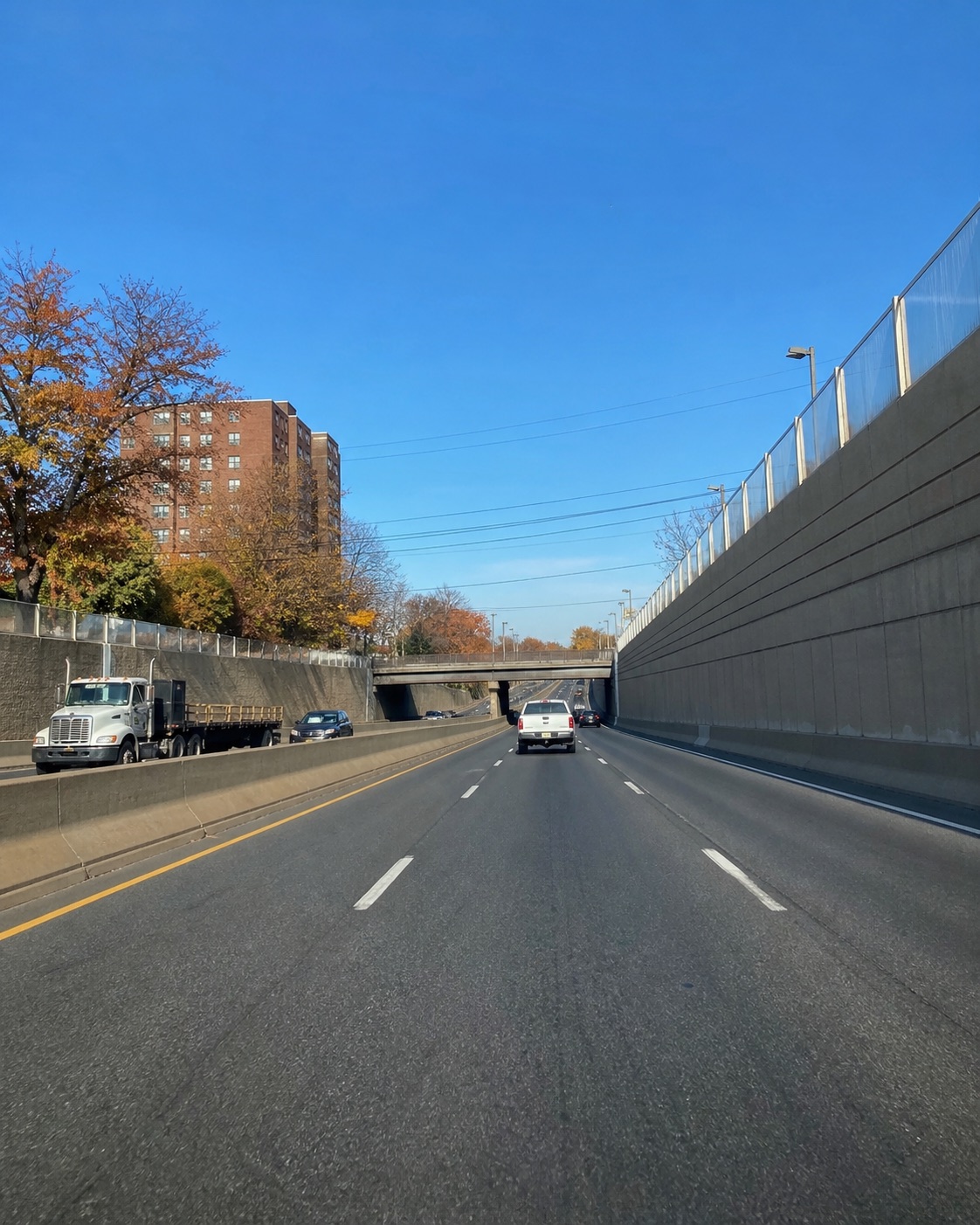
Keep a destination, a later stopping place and a service address separate. They may all relate to the trip while identifying different stages. A historical diagram can help check the road name without establishing the accident point. The generated image with this article evokes an East Orange highway setting; it verifies no current exit or lane arrangement. Your request summary should rely on actual observations and records, with the image remaining an illustration of local character.

Ask about the appropriate record process
When you contact an organization, state what you are trying to identify and what information is available. Ask whether it is the appropriate contact and what its process requires. If it is not the right organization, keep the response and any reliable direction provided. A question about the process is different from demanding that a particular record must exist.
Use verified contact methods rather than an unfamiliar message that mentions your accident. Keep your initial inquiry proportionate to the task. You may need to provide event details, but an open public post containing policy numbers or medical records is not a useful substitute for an appropriate request channel. The request trail should make it possible to identify who was contacted and why, without exposing unrelated information to every participant in the search.
Record the request date and the exact subject
A request entry can identify the recipient, date, event details supplied and item sought. Keep a copy of the submitted wording where available. If the inquiry occurred by telephone, label your note as a call summary rather than a written response from the organization.
Add the reply as a separate stage. It may ask for clarification, identify another process or indicate that the supplied details did not locate the item. Do not silently change the original request after receiving the answer. A visible trail can explain why a later inquiry includes a better reference or clearer location. This is useful even when no record has yet been obtained: you can see what was attempted and what reliable information is needed next.
Read an unsuccessful search for what it establishes
An inquiry that returns no matching record may involve the search details, scope or recipient. Preserve the actual wording and ask a focused clarification if appropriate. Do not treat a broad failure message as a finding about every possible record related to the accident.
Compare the location, date and reference supplied with the information you now have. If an error is recognized, make a dated correction and explain it in the next inquiry. Do not invent an agency or exact time to make another attempt appear more complete. The useful next question might be how to identify the appropriate reference, not where to send the same request again. A careful trail can reduce repetition by showing which uncertainty actually prevented the earlier step from progressing.

Keep a received document connected to the request
When an item becomes available, save it with the request and response that led to it. Identify what kind of document it is and which event it describes. Preserve enough context to recognize the source and date. A cropped page or isolated sentence may be difficult to evaluate without its surrounding information.
Compare the basic identifiers with your file and note any discrepancy for clarification. Do not quietly adjust your original account to make every detail agree. If the received document is being sent to an insurer or professional, confirm which item was requested and use the appropriate destination. The generated paperwork image contains no actual report. Your document should remain privately stored with its identifying context, so later conversations can refer to the same material.
Keep service and health paperwork alongside, not inside, the request
The vehicle may have service records, and you may have separate health paperwork. These can be organized in neighboring folders with cross-references where useful. The report-request trail itself should remain focused on identifying, obtaining and tracking the relevant item. This prevents every conversation from becoming a review of the whole accident archive.
For a repair request, identify the estimate version and provider. For a health concern, seek appropriate medical care and retain actual instructions. A mirror illustration does not establish an injury or the response to a real accident. When a recipient asks for material from another subject, clarify the purpose and record that new request. The original report inquiry can remain understandable even as other work proceeds in parallel.
Leave the next person a trail they can pick up
A useful handoff lists the known event details, source-labeled numbers, recipients contacted, replies received and unresolved step. You can include the original documents without rewriting every message into a long narrative. A professional can then identify where the trail needs clarification. The official road inventory cited here supports geography only and describes no current works or agency assignment.
This guide is editorial record organization. It determines neither fault nor coverage and offers no compensation prediction. Seek qualified advice for legal questions and appropriate care for health concerns. An inquiry does not establish representation. You can make progress with a modest next action: clarify one reference, preserve one reply or identify the correct process. The value of the trail is that the next step begins with documented information rather than another round of guesses.