
Start with the question the call needs to answer
You may speak with a repair estimator in the morning and a medical claims representative that afternoon. Both work on insurance, but they may be handling different parts of the accident. Before calling, write one question at the top of your note: Where does this bill go? Has the estimate arrived? What document is missing? A clear question helps you notice whether the answer actually resolves it.
Add the reason for the call to the first line of the entry. A heading such as “check whether the estimate arrived” keeps the task visible when the conversation becomes longer. Have the relevant document available, but do not assume the representative has the same version. Confirm what they are looking at. If the issue changes, start a separate note or mark the new topic so the original question is not lost.
Give each conversation its own entry
Record the date, company, representative, claim number and a contact method you can verify. Add the reason for the call and the documents mentioned. For example: October 11, vehicle damage claim, estimate received, photographs requested through the insurer portal. Keep a short summary rather than trying to reconstruct every sentence later. If you write an exact quotation, distinguish it from your own summary.
Avoid leaving a new entry labeled only “insurance called.” Include enough information to distinguish it from the next call: company, person, date and subject. If the person gives a contact method, verify it through a route you trust before sending private documents. Record an approximate time honestly when that is all you know. The log is a practical memory aid, not a transcript or a record of a call you did not actually hear.
Label the coverage before listing expenses
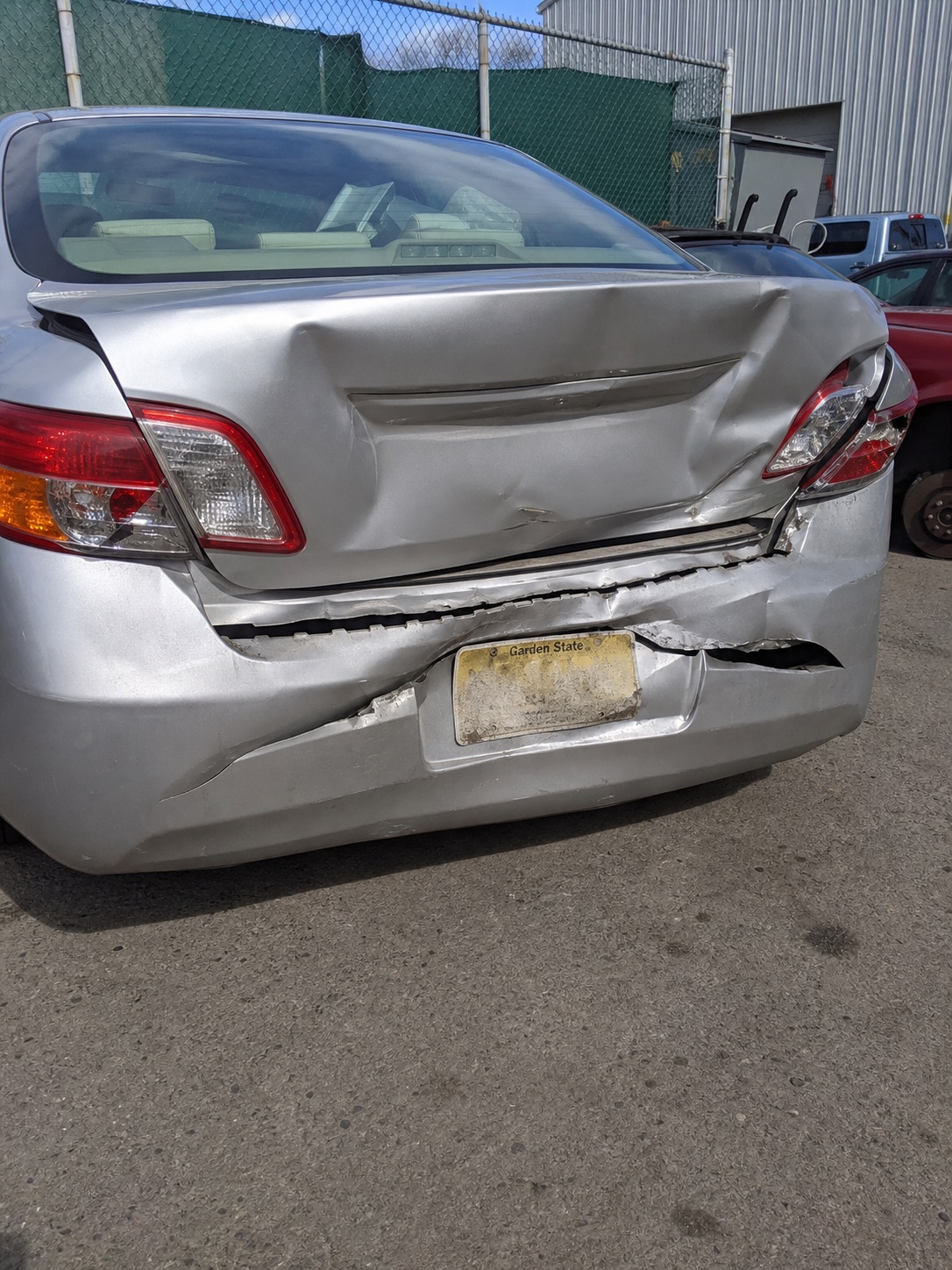
The NJ Motor Vehicle Commission distinguishes liability, personal injury protection and uninsured motorist coverage. The Department of Banking and Insurance also distinguishes vehicle damage claims made through your own insurer from claims made against another driver’s insurer. Ask which claim and coverage a request belongs to. A repair estimate, a treatment bill and a discussion about responsibility should not disappear into one unlabeled list.
The Department of Banking and Insurance uses first-party and third-party descriptions when discussing vehicle damage claims. A claim through your own insurer and a claim against another driver's insurer are not the same conversation. The MVC's overview separately describes PIP, liability and uninsured motorist coverage. Ask the representative which subject they are addressing. Keep the answer attributed to that person rather than assuming a general label resolves the details of your policy.
Turn a request into a checkable action
For each requested item, record who should send it, the verified destination and how receipt will be confirmed. Save a copy of the actual file sent and its submission confirmation. If the representative asks for something you do not have, write that down and ask what would clarify the request. Do not replace a missing document with an invented detail or an estimate presented as a fact.
Use one action per line. Write the requested item, the intended sender, the verified destination and what remains unclear. If an attachment is large or contains private health information, ask which material is actually needed and the appropriate way to send it. Preserve the original in your file. A confirmation that an upload was received is useful, but it is different from a decision accepting the contents or agreeing to pay a claim.

End with a short recap
Before ending, read back the next action in ordinary language: I will upload the estimate, and you will confirm that it reached the vehicle damage file. Then update your log with anything still unresolved. The log organizes your records; it does not decide coverage or fault. When an explanation concerns legal rights or an agreement you do not understand, bring the written material to a qualified professional.
Keep the recap short enough that both sides can identify the same task. If you were asked to obtain a document, clarify which version or page is needed. If someone said they would reply, note the method or date they actually gave without inventing a deadline. You can ask for an important explanation in writing. Save that explanation alongside the entry so a later conversation does not depend on your summary alone.
A running table can keep the week manageable
A plain notebook or a small table can hold the essentials: date, company, representative, subject, item requested and next action. Keep the table private. You do not need specialized software or a public account of the accident to make it useful. Use the same labels across entries so you can find the repair conversation without reading every note.
For example, an entry might say that you asked whether an estimate was received, the representative confirmed receipt and a photograph was still requested. That is enough to identify the task. It does not imply that the estimate was accepted or that a payment was promised. Keep those possible decisions separate from a receipt confirmation.
Connect attachments with the call that requested them
Give a working copy a clear filename while keeping the original available. Add the date and a short description rather than naming every attachment “document.” In the log, identify the specific file sent and the destination. If you send a revised version later, record that as a new action so the reader can distinguish it from the first submission.
If a company says an attachment did not arrive or cannot be opened, keep that response and clarify the next step. Do not repeatedly send private material to unverified addresses to see what works. Confirm the appropriate contact route and the item requested. A tidy attachment history makes it easier to discuss the practical problem without guessing what another person received.
Mark the difference between an answer and an unresolved point
A representative may acknowledge a question without answering it. Put that point under an outstanding heading and record what they said would happen next. If you receive a later written explanation, attach it to the relevant entry rather than replacing the earlier note without a date. The sequence can explain why you followed up.
When two answers differ, first identify the documents and topics involved. They may refer to different claim files or versions of an estimate. Ask about the specific discrepancy. This log does not determine whether a company's position is correct, and a general article cannot resolve a coverage or legal disagreement. Its purpose is to keep the issue clear enough to discuss.