
Start with a record you can find again
A crash can leave you with photographs on one phone, an insurance number on a scrap of paper and an appointment reminder in a text message. Put those items in one place. A simple folder is enough. Label it with the accident date and keep a separate copy of important files so a lost phone does not become a lost record.
Give the folder a name that will still make sense in a month, such as the accident date and the road you know. Create an originals area and a separate working area for copies you annotate. If a family member helps, explain that an edited photograph belongs with the working copies. Decide who will keep the paper originals. Organization becomes easier when everyone knows where a new item goes, even if the file begins with only a few documents.
Write down the basics while they are fresh
Record the date, approximate time, road, nearest intersection and vehicles involved. Include the police agency and report number if you have them. Separate what you saw from what someone told you. If you are unsure about a detail, say so rather than filling the gap. Your notes are a memory aid, not a replacement for the official report.
Use a dated note rather than relying on a memory that you keep repeating aloud. You can write an approximate time as approximate. If you later check a receipt or a message, label that as a later source instead of making it part of your original observation. A passenger can keep a separate account under their name. Two different viewpoints should remain distinguishable, rather than being combined into a story that implies one person saw everything.
Keep insurance and treatment records separate
Save your insurance card, declarations page, claim number and the name of your claim contact. The NJ Motor Vehicle Commission distinguishes liability coverage, personal injury protection and uninsured motorist coverage. Those names describe different functions. Ask the insurer which part of your policy applies to the expense you are discussing.
A vehicle estimate can be filed under repair paperwork, while a treatment bill belongs in a private health-related section. Give each insurer or claim its own label. Before forwarding an attachment, confirm which file the recipient is handling. Keep the actual document sent and any confirmation together. An organized folder cannot decide whether a bill is covered, but it can help you explain which bill you are asking about and which person requested it.
Build a short list of questions
Make a running list: Who is handling the claim? Which documents have been requested? Where should bills go? Keep appointment paperwork and receipts, but do not send full medical records to an unfamiliar website. When you speak with a lawyer, explain what happened and ask which missing records matter for your circumstances.
Put the unanswered questions on a separate page so they do not disappear among the receipts. For each question, identify the person or business you plan to ask. If a requested document has not arrived, say that rather than substituting a guess. When someone answers, record the date and whether you received a written explanation. A question becomes easier to revisit when you can see both the original wording and the response.

One manageable task today
You do not need a perfect archive before asking for help. Start with the accident date, available insurance details and the documents already in your possession. If someone asks you to guess fault or symptoms, keep your answer factual. For urgent safety or medical needs, contact emergency services or a clinician rather than waiting for an online response.
Choose a task that leaves a clear stopping point. Save the message you received today, identify the vehicle's destination or find the contact associated with a claim number. You can begin a useful conversation with an incomplete folder. Explain what you have and what is missing. The task is to preserve what is available, not to produce a confident answer to every question before you ask for help.
A receipt needs a description, not a conclusion
A receipt can help establish that a payment or service occurred. Write what it relates to and preserve the original details. Do not assume its presence establishes that an insurer or another person must reimburse the amount. If you received a refund or an updated invoice, keep that with the earlier record so the same item is not counted twice.
The same care applies to messages. A text sent after the collision may show when someone described the event, without establishing the precise moment of impact. A pickup address can identify where a vehicle was collected after it moved. Label these records for what they show. A simple factual description is more useful than assigning every piece of paper a meaning it cannot support.
Make photographs useful without changing the originals
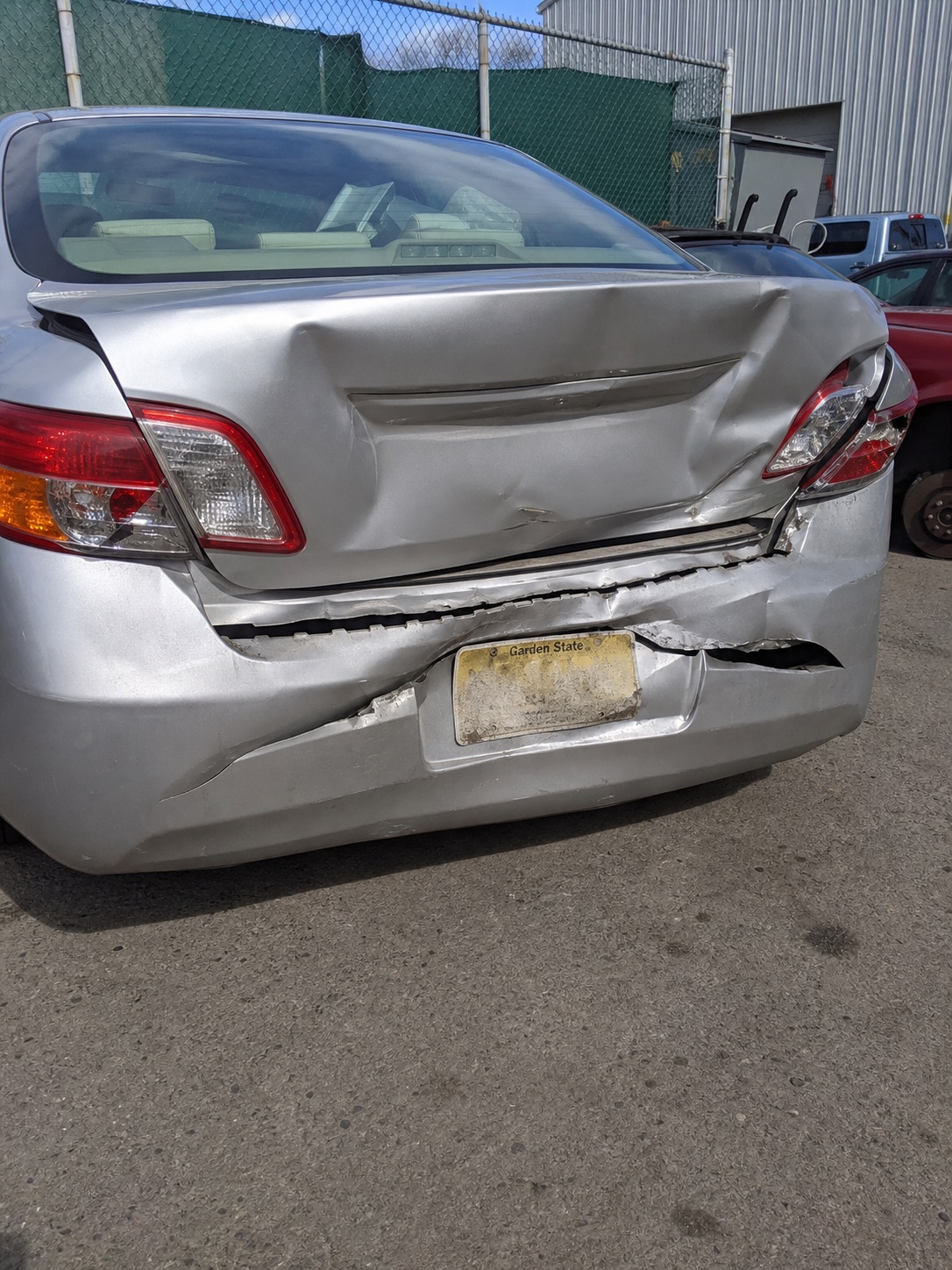
Keep original image files with their dates and any accompanying information. Separate a wide view of the surroundings from a close view of vehicle damage. Note whether vehicles had moved before the photograph was taken. An image from a repair facility should not be presented as the position at impact.
If you want to point out a feature, make an annotated copy and preserve the original alongside it. Do not alter an image to make a detail more convincing. If a photograph was not safely obtainable, say that. You should not return to an unsafe road position to complete a folder. The illustrations on this page show general organizing ideas and are not evidence of your accident.
Keep a private contact index
Create a short list of the agencies, insurers, repair businesses and other contacts you have actually dealt with. Add a report or claim number when you have one. Identify the purpose of each contact so a repair question does not go to the person handling a different matter.
Keep other people's contact details out of public posts. Before sending a document, confirm the recipient and the reason it is needed. If someone offers to organize the folder for you, give them the information necessary for the task rather than an unrestricted copy of everything. A private index makes it easier to ask for help without turning your accident records into publicly searchable material.