Make a vehicle file that someone else can follow
When a collision interrupts a shopping trip, the vehicle paperwork may end up mixed with receipts, messages and appointment changes. Start a dedicated vehicle entry with the known event date, road or property location and the documents already available. Then list the question you want addressed: an estimate version, provider instruction or request from an insurer.
NJDOT’s historical Route 4 and Route 17 inventories identify Paramus Borough in Bergen County along both roads. They establish local background for this guide. The shopping destination remains a separate trip detail. If the collision occurred on an approach or inside a property, preserve that description rather than making the store’s address stand for every part of the event. A readable file begins by giving each location its proper role.
Separate the estimate from the service arrangement
An estimate, a service instruction and an agreement can be different documents. Label each according to what its wording describes. If you do not understand what a document asks you to authorize, ask the actual provider or relevant professional to explain it before treating it as a routine attachment.
Keep the explanation with the document and note who supplied it. A general discussion of repair costs cannot establish what was agreed in your case. If a call changes the proposed work or asks for another assessment, preserve that as its own entry. The file should show the documents that existed at each stage, making it possible to clarify a later disagreement or question without pretending that one estimate contained every subsequent instruction.
Keep recovery destinations distinct from the contact point
A vehicle may be moved to a parking area, service facility or another location after contact. Write those movements as later stages, with a source where available. A provider’s address can explain where the vehicle was received without establishing where the collision happened.
When you obtain a towing or service record, identify what it describes: pickup, destination, inspection or another task. Do not assign the printed time to the accident unless the record actually establishes it. A short movement list can explain why a photograph and report describe different places. Ask about a missing destination or reference directly. You do not need to reconstruct every road movement to make the practical question of the vehicle’s current location understandable to the person handling the next step.
Read the trip receipts for their actual purpose
A shopping receipt may help identify a transaction, business and printed time. A parking message or appointment record may explain an arrangement. Keep those records if relevant, but state what they show rather than using them as a substitute for an event-specific location account.
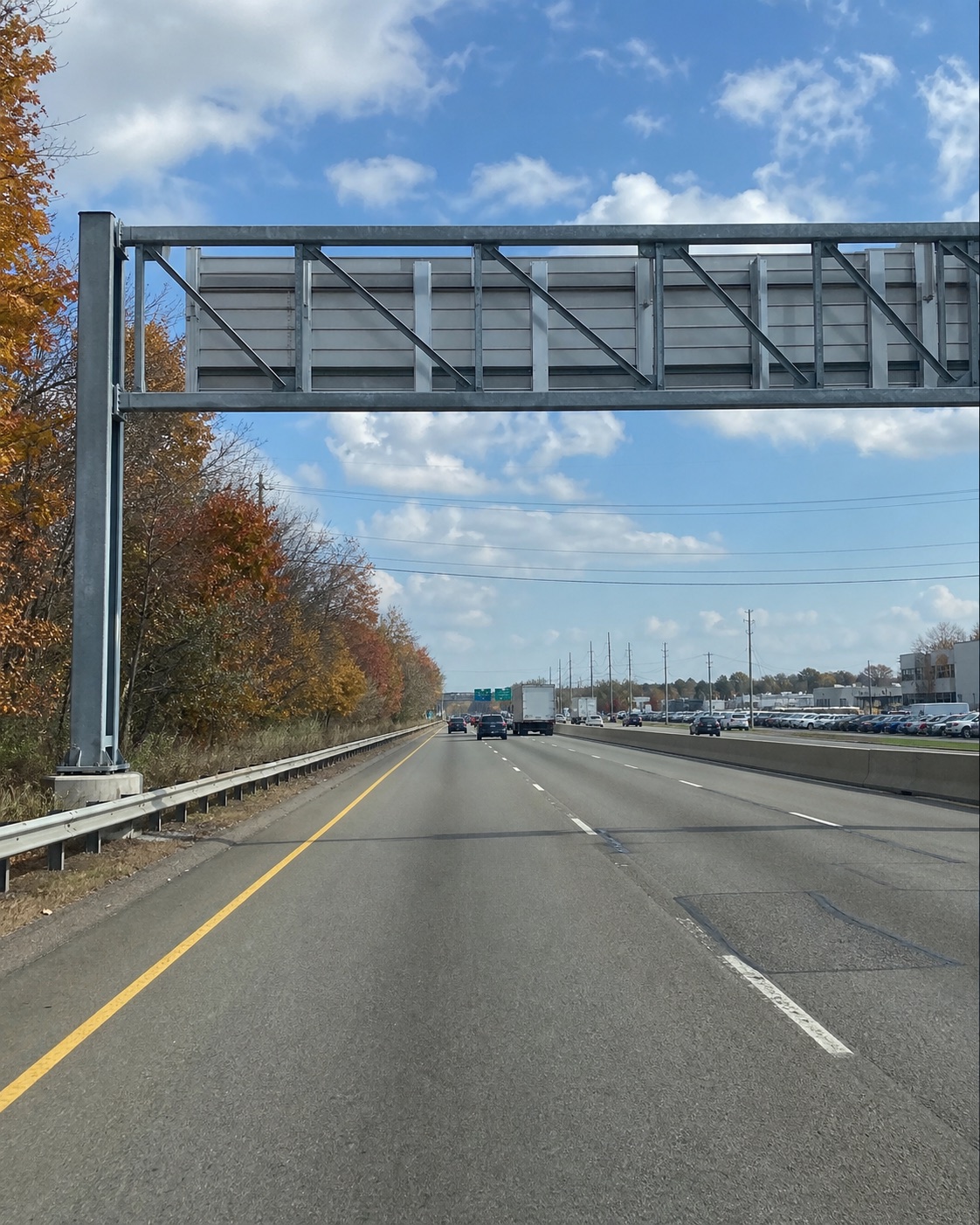
For example, the address of a purchase does not identify the entrance used or prove the point of contact. You can retain the receipt while leaving those questions open. The generated Route 17 illustration here shows retail-road character, including a gantry and frontage. It is not an exact Route 4/17 interchange view or a record of your trip. The image introduces the setting; actual receipts and observations supply the details for your own file.
Tie photographs to the estimate version
An image taken before an inspection and one taken later may answer different questions. Label the stage and preserve the original files. If a provider supplies images with an estimate, keep that group identifiable so you can tell which materials accompanied which version.
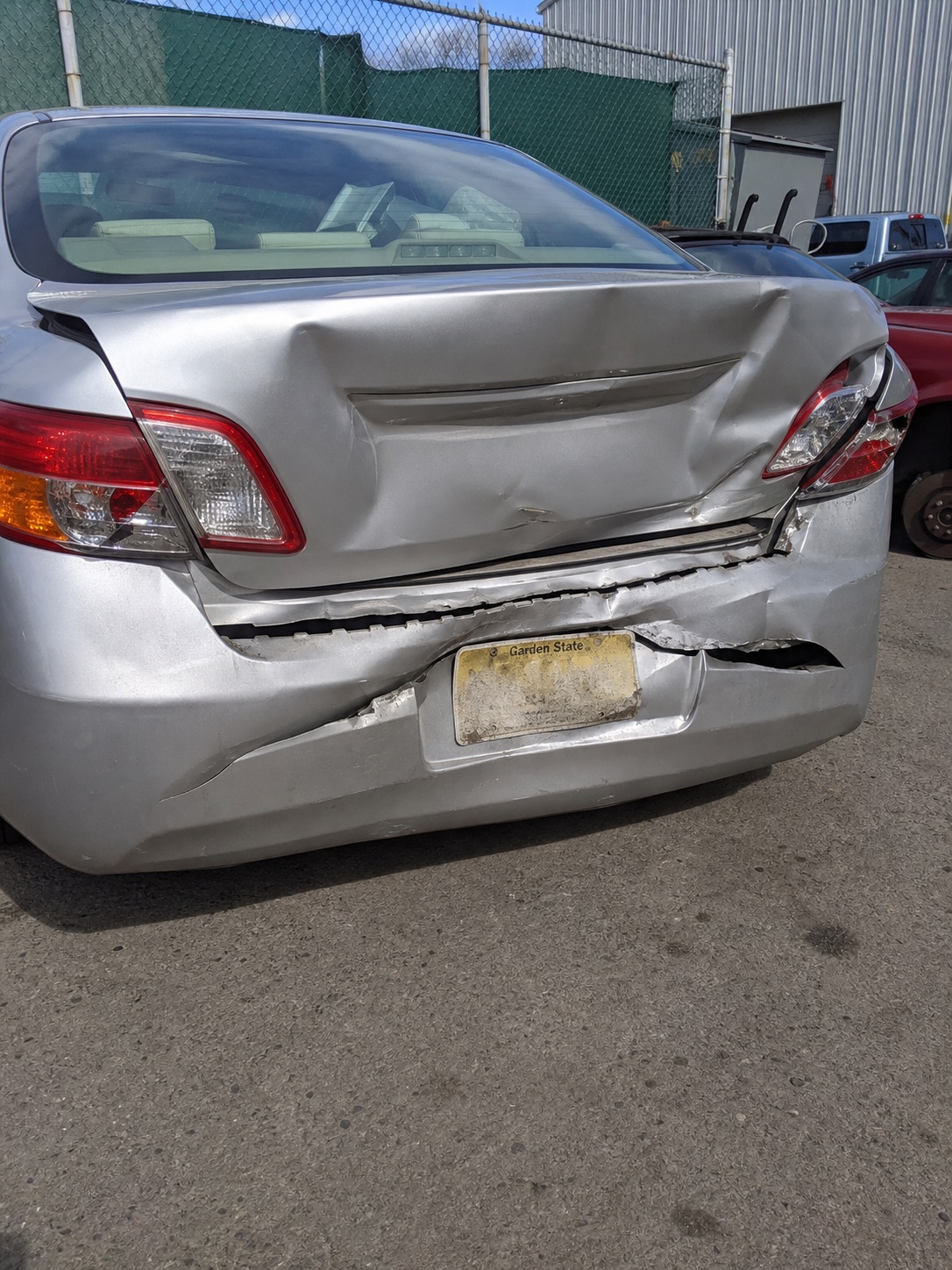
A close picture of damage has a narrower purpose than a wide view of the surroundings. Both can be retained without asking either to reconstruct the entire event. Our bumper illustration is generated and shows no actual valuation. If you receive a request for another view, clarify what is needed and the appropriate method to supply it. A missing view should remain a question rather than prompt an unsafe return to a road or an improvised picture presented as accident-day evidence.
Make the insurer’s request easy to match
For each request, note the insurer, representative, claim reference, subject and requested item. A provider’s job number can be recorded alongside the claim number with its own label. Those identifiers help the people involved locate their respective records without making every number appear interchangeable.
Before sending an estimate, check that the version matches the request. Save the submission and any confirmation. If a later call asks about another file, clarify the subject before supplying the same attachment again. Keep written explanations with the item they discuss. Administrative progress can be recorded accurately without announcing that a proposed repair has been accepted or paid. The specific coverage and payment questions belong with the applicable documents and appropriate review.

Record each change as a new step
A revised estimate, changed appointment or new service instruction should receive an entry of its own. Explain what changed and who communicated it. Preserve the earlier document where practical so the development remains visible. A correction can be straightforward when its date and source are clear.
Avoid silently replacing the original file with a document of the same name and then losing which version a representative reviewed. If the change affects an outstanding request, ask which version the recipient now needs. Keep the response. This small habit can save repeated calls because the discussion can refer to a recognizable stage rather than an estimate remembered differently by each person. The paperwork image here is illustrative; your actual file needs labels, not a public display of private documents.
Prepare three focused questions before the call
A useful call list might ask which estimate is under discussion, which provider record is missing and where the next attachment should be sent. Choose questions that the recipient can address. Bring the relevant documents instead of relying on a single total remembered from the trip.
If your location account is incomplete, say what you know about the road or property and identify the gap. If you lack a report reference, keep that task separate from the estimate discussion and use the responding source where available. A shopping destination alone does not establish the report agency. Focused questions allow the file to progress in manageable steps, even while another item remains outstanding. Record the next action and who is expected to take it.
Preserve practical clarity as more records arrive
The file can grow without becoming complicated if each record keeps its source, subject and stage. A trip receipt explains the errand, a movement entry tracks the vehicle and an estimate explains proposed work. Their connection is useful, but their meanings should stay distinct. The official diagrams cited here are historical geography and establish no present-day access arrangement.
This guide organizes follow-up rather than deciding responsibility, coverage or compensation. Health concerns need appropriate medical care, and legal questions need advice based on the circumstances from a qualified professional. An inquiry does not establish representation. Begin with the next document question and add the answer to the file. A clear estimate trail is useful because it can be checked, not because it promises a particular result.