Make the vehicle’s next location findable
Once immediate assistance is being handled, one practical question can become urgent: where did the vehicle go? A roadside location and a recovery destination are different entries. Save any paper or message that identifies the service provider and destination. If you have only an incomplete name, keep it as incomplete and ask the appropriate contact to clarify.
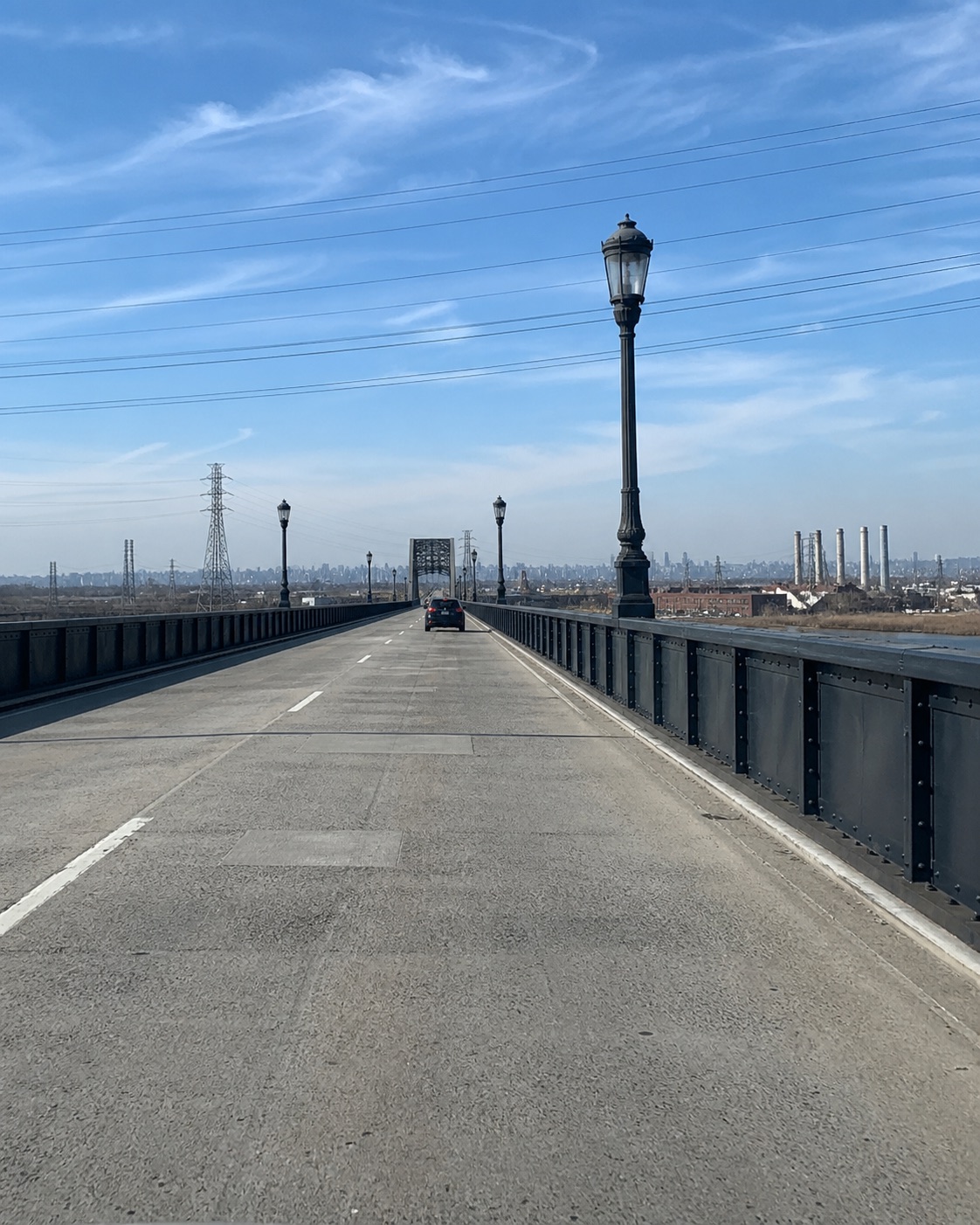
The Pulaski Skyway carries Route 1&9 through a corridor linking Jersey City, South Kearny and Newark, according to NJDOT’s history page. That geography explains why a familiar town name may not identify where a vehicle was subsequently taken. Do not search for the nearest shop and assume it received your car. Start with the information from the actual response or service, and make the next inquiry about the missing destination rather than an assumed one.
Keep the person who arranged the move separate from the provider
You may have spoken with a responder, a dispatcher, an insurer or another participant before a recovery service arrived. Write down what each person actually told you. Who supplied the provider’s name? Who identified the destination? Which details are in writing? This prevents a later conversation from attributing an instruction to the wrong organization.
Do not infer that someone authorized every later service simply because they arranged the initial move. If that question matters, locate the actual instruction or ask the relevant party what it covered. The generated Skyway image introduces the setting only. It does not show a service operation, access arrangement or accident-day conditions. Your service record should come from the people and documents involved, not from an image selected to accompany the article.
Create a short chain of custody for the paperwork
Make one line for each documented stage: removed from the road, arrived at a location, transferred elsewhere or inspected. Give the line a source, such as a receipt, confirmation message or your own call note. Use approximate times where that is all you know. A later document’s creation time should not automatically become the time the vehicle moved.
This is a personal organizing tool, not an official chain-of-custody certificate. Its purpose is to help you explain why photographs, estimates and addresses differ. If you discover that a destination entry is wrong, add a dated correction rather than rewriting the whole file silently. The record should make it possible to trace a question back to the underlying document. A well-labeled gap is preferable to a location invented to connect two stages.

Ask what a charge document actually covers
A service receipt may list several items. Read their descriptions before treating the total as one undifferentiated accident cost. If an item is unclear, ask the provider to explain the service and the dates associated with it. Keep the answer beside the receipt. This article does not determine whether a charge is valid, payable or covered by insurance.
When an insurer requests the document, ask whether it needs the complete receipt, a specific service detail or clarification from the provider. Keep the request itself. Do not replace a missing receipt with a number remembered from a call and present it as a final invoice. An amount discussed before the service and an amount on a later document can raise a useful question without proving that either one is the answer.
Separate inspection from agreement to repair
A request to make the vehicle available for examination is not something this article can interpret as a repair authorization. Keep any instruction, proposed work and agreement as separate records. Ask the actual provider or insurer what a particular document requests before signing or responding to wording you do not understand.
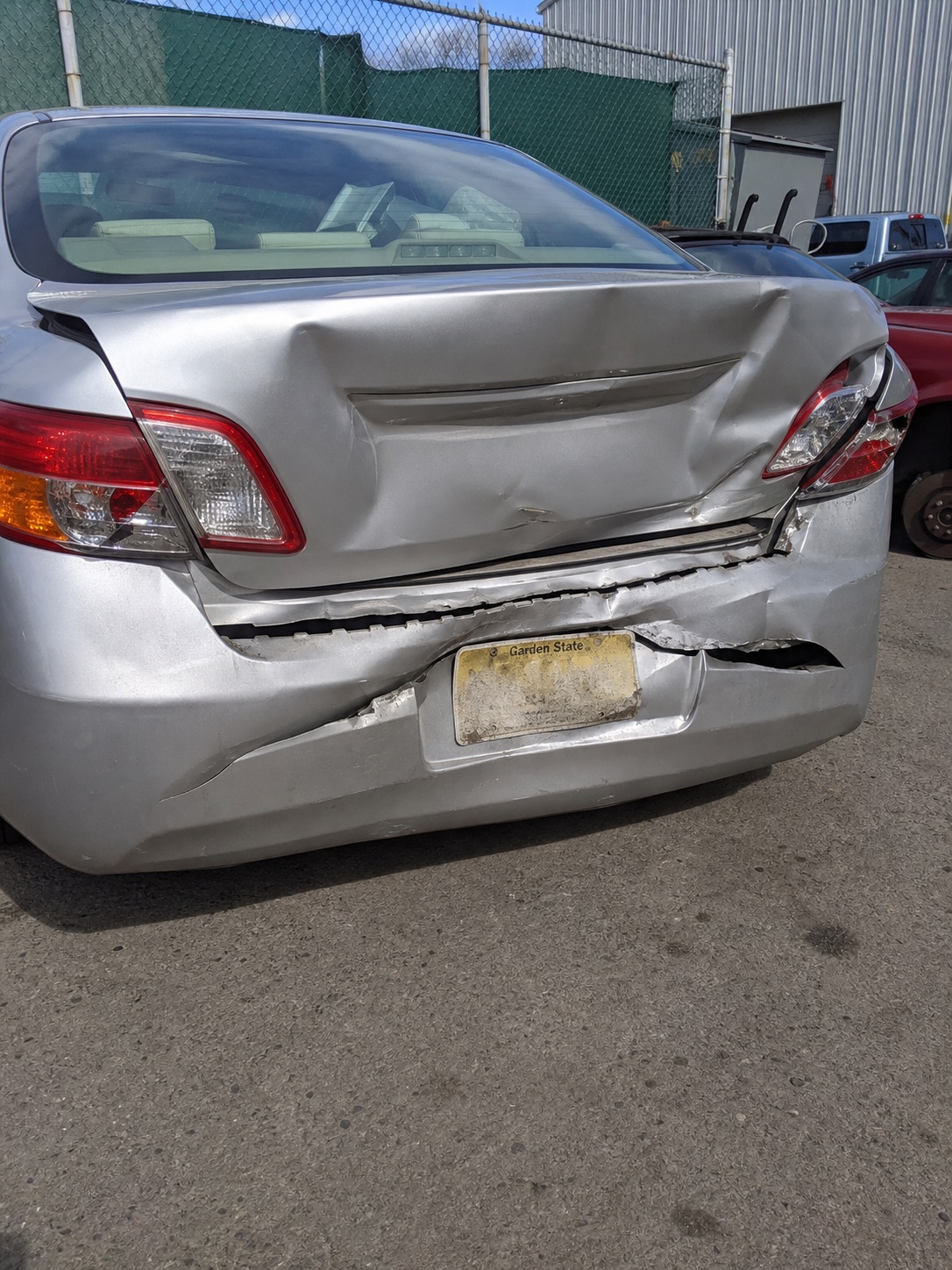
A photograph of damage can help identify what was visible at a particular stage, but it does not establish the scope of an estimate. The bumper illustration here is generated and depicts no real assessment. If you have original photos before an inspection and later photos, label the stage rather than blending them into one album without context. The practical aim is to preserve which information was available when a request or decision was made, not to evaluate the repairs yourself.
Keep the estimate connected to the correct claim
Before sending an estimate, identify the company, claim reference and representative requesting it. Ask how the document should be supplied and how receipt will be confirmed. A service provider may use its own job number; an insurer may use a separate claim number. Record both with their sources.
If someone asks for the estimate again, check which version and which file they mean. A revised estimate should be dated or otherwise distinguishable from the earlier one. Do not assume the latest attachment reached every relevant contact. If a response concerns only one part of the estimate, preserve that scope. The filing task is to keep the conversation coherent. It does not establish coverage, approve a cost or determine which party is responsible for paying it.
Avoid making a dangerous documentation trip
A missing scene image can feel like a reason to return, but a record task should not turn into a walk on the Skyway or a stop to recreate a view. Address active safety questions through the appropriate authorities or responders. Ask the professional reviewing the event whether another source would answer the question.
Historical NJDOT material describes the road and its setting, but it is not a present-day instruction for reaching the collision point. No current work or access claim is made here. Use existing documents, messages and original images first. A recovery photograph can still be useful when it is accurately labeled as a later stage. Admitting that you lack an impact-position photograph is more reliable than presenting an unrelated road image as though it were evidence from your event.
Prepare a provider and insurer question list
A focused list might ask: Where is the vehicle now? Which document describes the move? What is required before an inspection? Which estimate version is under discussion? Beside each question, identify the person best placed to answer it. This keeps a provider’s explanation and an insurer’s explanation from being treated as the same response.
Take the actual documents to a conversation instead of only a total or screenshot of one sentence. If you are missing part of a file, ask for it. Preserve written responses and mark phone summaries as your own notes. Share documents through verified channels, especially where they include policy identifiers or personal details. The paperwork illustration contains blank cards; your actual papers deserve a private, labeled place that can be found again.
Choose one next action that is grounded in the file
You do not need to solve every accident question before clarifying where a vehicle went or which attachment was requested. Choose the unresolved practical item and work from the source that can address it. Then update the index so a later call starts from the new information.
This article does not determine whether a particular recovery, storage or repair expense is recoverable. It does not assign fault or estimate compensation. Health concerns need appropriate care, and questions about legal rights need qualified advice based on the circumstances. An online inquiry does not establish representation. A useful file connects the vehicle’s documented stages without confusing a road location, service destination and claim process. That can make a difficult series of follow-up conversations more manageable without making promises about their outcome.