Begin with the requests already in front of you
After an accident, paperwork can arrive in an order that makes little sense: a message asks for photographs, another asks for a number, and a call refers to a document you have not received. Begin with those actual requests. Write one entry for each, identifying the sender and what it asks you to provide. The first task is to see the work, rather than answer everything from memory.
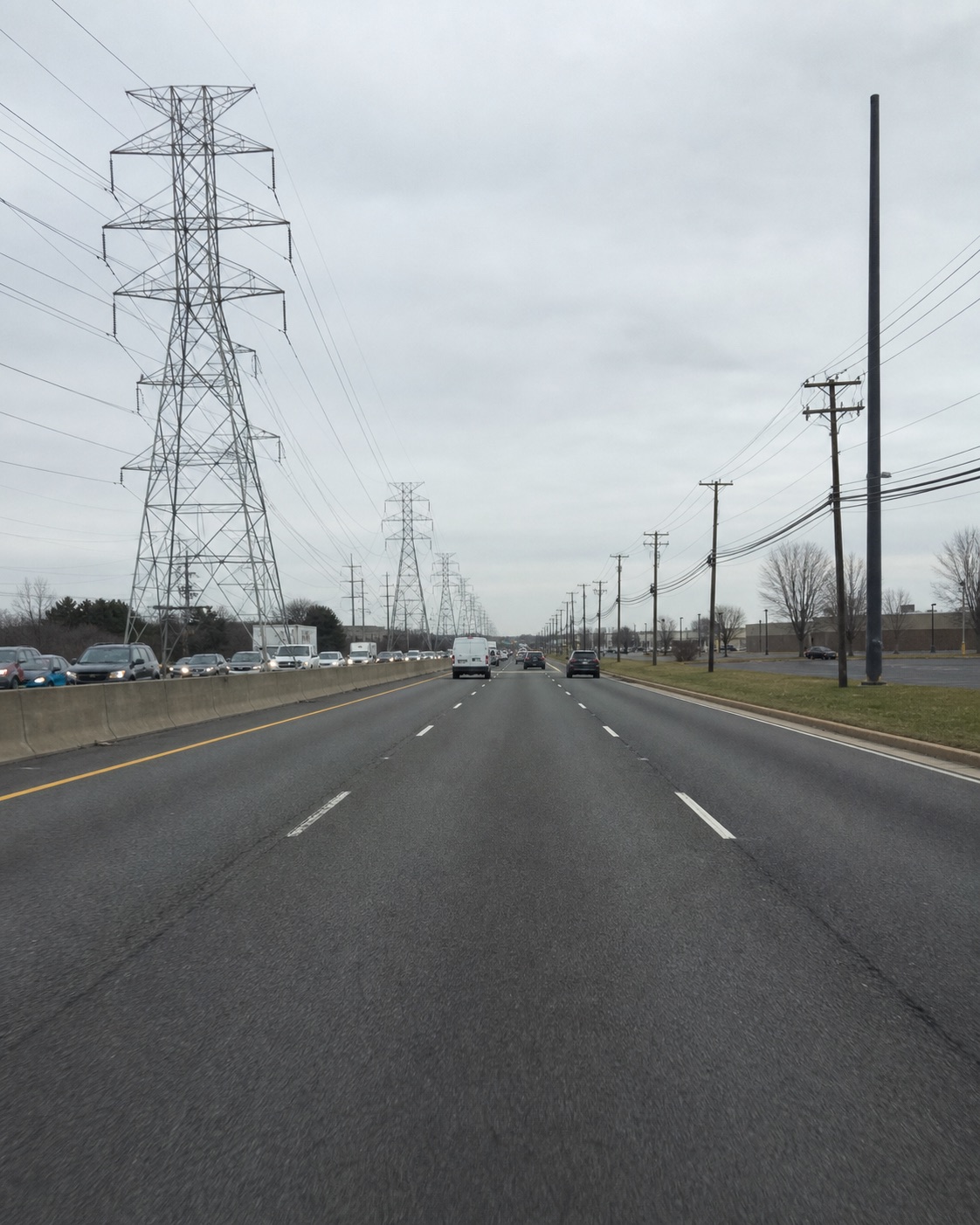
For an event on Route 1 in Edison, preserve the road and location details you know in a short event summary. The official NJDOT inventory identifies Edison Township in Middlesex County along US 1. That background orients the file. Your request list should still use the exact location information from the event and the reference supplied by the recipient, rather than a general destination address.
Split a broad request into identifiable items
A phrase such as “send your accident documents” can cover very different things. Ask which items the sender means and what question each item is intended to address. Photographs, a vehicle estimate, a report reference and a treatment bill need separate labels. If a request includes several items, create a line for each so a missing one does not hide among completed ones.
Keep the original wording with the entry. Your interpretation can sit beside it as a question until clarified. This is especially useful when a call refers to an earlier message using different language. Ask whether both requests concern the same document or version. A precise list allows a representative to explain the next step without requiring another complete account of the trip along Route 1.
Record the company and file before the attachment
A recognizable company name may have more than one person working on different subjects. Identify the representative, role and claim reference associated with the request. Put that information above the attachment you plan to send. An email about the vehicle and a call about another subject should remain distinct even if the same company appears in both.
If the sender’s role or destination is unclear, use a verified channel to clarify it before sharing sensitive information. A message mentioning your accident does not by itself establish that its sender should receive your records. Keep personal identifiers out of a public request for help. Your private index can make the reference easy to find without exposing it to everyone who sees a discussion or open sharing link.

Give each document a version and source
The filename “estimate” is enough until another estimate arrives. Use a date or version label, and record the provider who supplied it. The same habit helps with revised letters, additional photographs and a clearer copy of a card. Preserve the earlier version where practical so later explanations can refer to the material actually available at the time.
A generated paperwork picture introduces the filing task here, but its blank cards are no model policy or actual claim record. For your own files, retain originals and use separate copies for annotations. If you summarize a document, label the summary as yours. That keeps a short working note useful without allowing it to replace the original wording when the recipient needs to examine the exact request or explanation.
Use a visible status for missing records
A request list can use plain statuses: available, requested elsewhere, sent or awaiting clarification. Each status answers a different practical question. “Requested elsewhere” means you are trying to obtain an item; it does not mean you already have it. “Sent” identifies a submission; it does not confirm that it reached the correct file.
When a record is missing, tell the recipient which item you lack and ask how that affects the immediate request. Do not substitute a guessed number or unrelated screenshot to make the list appear finished. Save the instructions you receive. A visible missing item helps both people understand what remains to be done and prevents a later conversation from assuming that a complete set was supplied when it was not.
Send the relevant item through the agreed method
Before uploading or attaching a file, check the requested item, destination and claim reference together. Ask whether the recipient needs the full document or a particular page. Keep the submitted copy and any confirmation, especially if it differs from the original. Do not send an entire medical or financial folder because one relevant record is difficult to isolate.
If you create a limited copy, preserve the original privately and describe the copy accurately. The destination should be appropriate to the material. A public image gallery or open group chat is not a substitute for a verified document channel. Good filing reduces unnecessary exposure as well as repetition: you can answer a specific request with a specific record and then identify exactly what was shared.
Confirm receipt without expanding its meaning
Ask how you will know the item reached the intended file. A confirmation message can be stored with the request, version and submission. When you later call, those details make it easier to ask about progress. They also distinguish a missing delivery from a question about the contents.
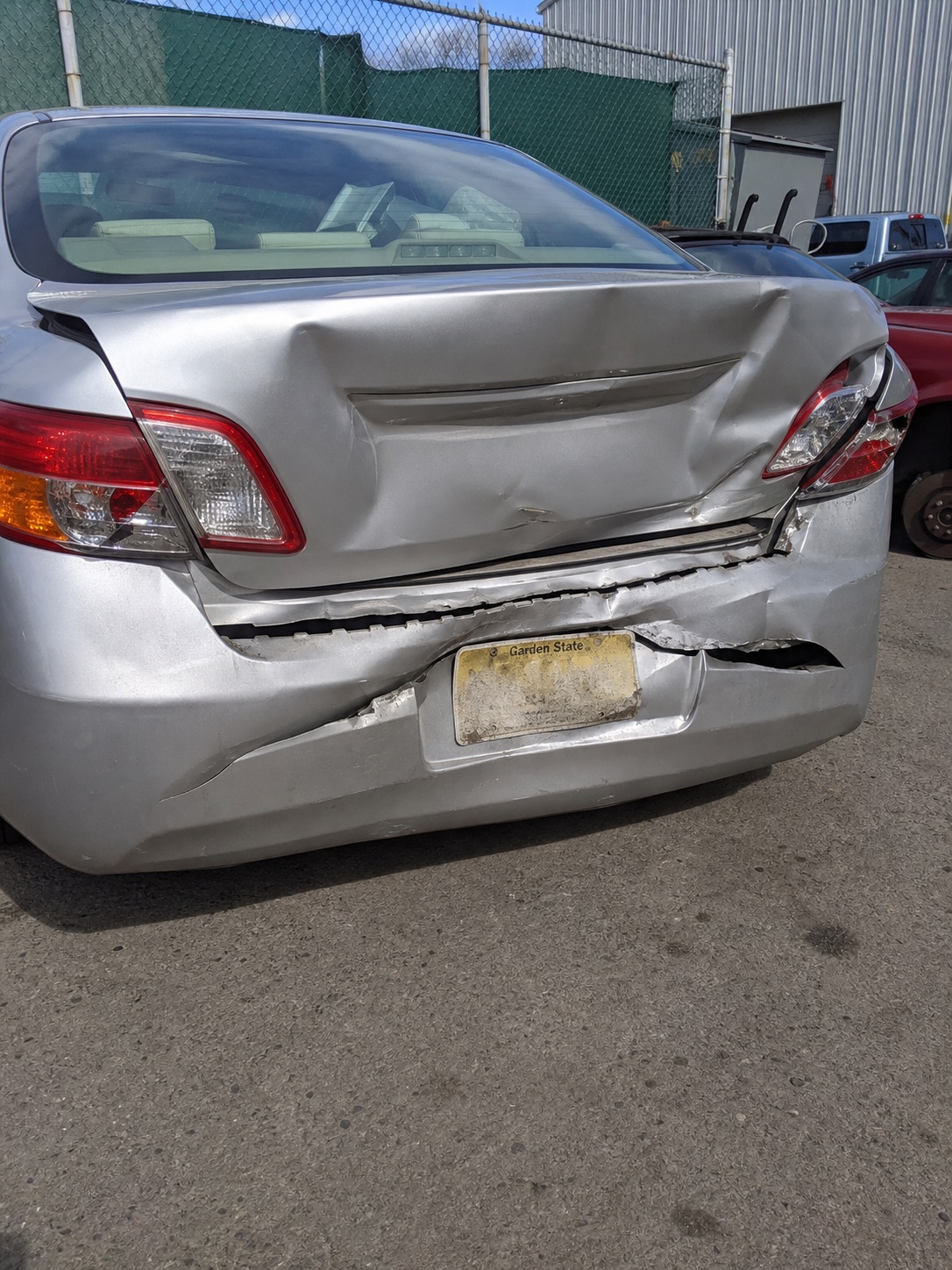
Keep the confirmation in its actual scope. Receipt of a document does not establish coverage, acceptance of an expense or agreement with your account. If a response addresses only one item, label that item rather than marking every request as resolved. A vehicle image can similarly show damage without determining a payment. The bumper illustration beside this guide represents no real repair assessment. The request list should record each completed administrative stage without converting it into an outcome the message never stated.
Prepare a short follow-up message
A useful follow-up identifies the file, request, document version and remaining question. You can refer to the submission date and confirmation where available. This gives the recipient something concrete to check. Avoid copying the whole accident narrative when the immediate issue is whether one attachment reached the correct record.
If the answer raises another requirement, add it as a new line and preserve the response. Repeated requests may concern different versions or subjects; ask about the difference instead of assuming why the repetition occurred. Keep your own call notes dated and distinguish them from written instructions. The goal is continuity: the next exchange should start from a recognizable request and document, so both people can see what has already happened and what remains outstanding.
Keep the event summary and request list together
The event summary provides the location and basic circumstances, while the request list tracks the work afterward. Link them in your private folder so neither needs to be rewritten every time. Use the historical NJDOT source for geography only; this guide makes no current-road, lane or construction claim for Edison.
The method is editorial help with organizing information. It does not decide fault, benefits or compensation. Seek appropriate medical care for health concerns and qualified advice for legal questions. An inquiry does not establish representation. You can begin with a single unresolved request and improve the file as replies arrive. The useful result is a practical record of who asked for what, which version you supplied and which question still needs an answer.