Prepare for the next conversation, not every possible one
After a collision, you may have several conversations ahead: a medical appointment, an insurer request and a discussion about the vehicle. Preparing one enormous account for all of them can make the immediate question harder to find. Begin with the next contact and the purpose of that contact. Choose the records related to that purpose.
For a Route 18 event near New Brunswick, preserve the road, direction and location you actually know. NJDOT’s historical route inventory identifies New Brunswick City in Middlesex County along Route 18. That establishes geography, not a current arrangement or a report agency. A trip destination elsewhere in the area should stay in a separate entry. The next person needs the part of the journey relevant to your question, not a location inferred from where you intended to arrive.
Write a route summary that fits on a few lines
Record whether you were on the main road, taking a connecting movement or already on another street, if you know. Add the last sign or junction reliably remembered. Explain any transition that is uncertain. A summary can remain short while distinguishing the collision point from a later stop or vehicle destination.
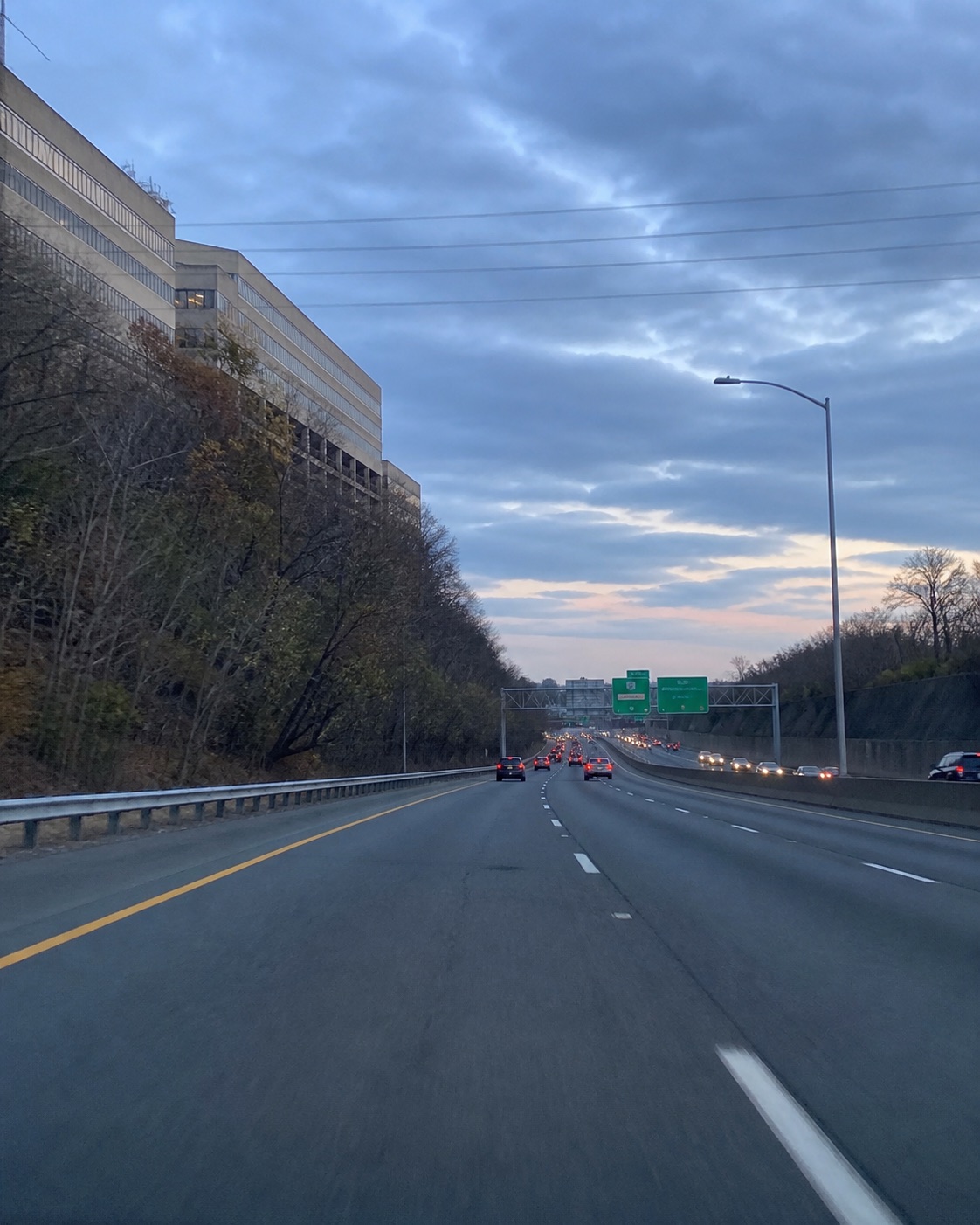
Do not borrow details from a navigation suggestion unless the record actually shows the route traveled. Similarly, a historical road diagram can help check a name without proving your accident-day position. The generated road image with this article evokes the New Brunswick corridor but is no map or survey. Its signs and layout cannot identify your incident. Your short summary should stand on its own observations and clearly named records, including the limits of both.
Take health questions to the health appointment
If you have health concerns, use appropriate medical care and explain your experience in your own words. A practical preparation sheet can list questions you want answered and the instructions or appointment records already received. It should not diagnose an injury from the vehicle damage or tell you which symptoms to report.
Keep factual timing separate from an assumed cause. If you noticed a concern later, explain when you noticed it. Let the clinician assess the medical questions. Ask how to follow the instructions supplied and where to direct a question about the appointment process. This article provides record organization only. It does not recommend a treatment, judge necessity or connect a particular health outcome to a road photograph. Your own care should not depend on completing an insurance folder first.

Distinguish the appointment from its paperwork
A scheduled appointment, a completed visit, an instruction and a bill are different records. Give each its proper label. A confirmation message may identify a planned date without showing attendance. A billing document may arrive later and refer to an earlier service. Keeping those stages apart makes the administrative question easier to explain.
If a recipient asks for appointment paperwork, clarify which item is needed and for what purpose. Do not send every record because the request uses a broad term. Preserve the originals privately and keep copies of what you share. If you do not understand a clinical instruction, ask the appropriate provider rather than relying on a claims representative or a general article to interpret it. The paperwork illustration here contains blank sheets, not a real medical record or recommended filing form.
Give vehicle follow-up its own set of questions
A vehicle service or estimate request needs a different preparation sheet from a health appointment. Identify the provider, current location, relevant reference and requested item. If the vehicle moved after the collision, keep that location separate from the collision point. Label photographs by the stage when they were taken.
Ask which estimate version or inspection document the recipient means. If an instruction concerns authorization, ask the actual provider or insurer to explain its scope before interpreting it. This article cannot approve work or establish payment obligations. A clear sheet can preserve who asked for what and what response was given. That helps a later conversation begin with a specific unresolved issue instead of treating a photograph, estimate and service instruction as the same evidence.
Separate the record request from a coverage decision
An insurer may acknowledge a document or ask for another item without deciding every coverage question. Record the actual response and the subject it addresses. Confirmation that something arrived is useful administrative information, but it should not be rewritten as confirmation that an expense is payable.
Before sending records, identify the company, representative and claim reference. Ask which coverage or subject is under discussion if that is unclear. Keep medical billing, vehicle damage and accident-sequence questions distinctly labeled even when they share a contact. If an answer seems inconsistent with an earlier one, compare the question and documents supplied before concluding that the responses address the same issue. A precise clarification request is easier to answer than a broad assertion that the entire file has been resolved one way or another.

Do not place a different Route 18 project at your location
The road number alone is not enough to connect a project page to your collision. Material about East Brunswick has a different geographic scope from a record identified as New Brunswick. Compare the named limits and dates before including it as background. Do not describe the generated road image as a current “trench” arrangement because a separate project exists along Route 18.
This article makes no current work, lane or closure claim. The official diagram used for geographic background is historical inventory, so it does not establish today’s traffic controls. If a temporary feature mattered to what you observed, preserve the observation and seek records about that specific time and place. Keep the project question separate from the appointment and coverage questions; each needs its own relevant information rather than one broad road-based explanation.
Make the reference numbers easy to distinguish
An appointment provider, service facility, insurer and responding agency can each supply a number. Put the organization and purpose beside each one. A claim number should not be used as though it were a report identifier, and an appointment reference may identify an administrative booking rather than the accident itself.
If you lack report information, use any agency or incident details actually supplied and ask about the correct process. Do not assume the agency from a nearby address. Record requests and responses so you can explain what has already been tried. Protect identifiers in the private file rather than including them in public posts. The generated mirror scene shows no actual response or jurisdiction. It illustrates aftermath only, and cannot tell you which office holds a record.
Leave each conversation with a separate next action
Before ending a call or appointment, confirm the immediate follow-up in ordinary language. What will you send or obtain? What has the recipient agreed to explain? Put the action with the relevant subject and update it when a response arrives. This keeps a medical instruction from becoming lost among repair messages and keeps an insurer request from being mistaken for a provider instruction.
The method organizes your records; it does not establish fault, benefits or compensation. Health concerns require appropriate care, and legal rights require advice based on the circumstances from a qualified professional. An online inquiry does not establish representation or guarantee a result. For the Route 18 file, a manageable first improvement is to connect each question to its contact while preserving the location facts and uncertainty. The next conversation can then begin with what actually needs an answer.