Identify the inspection task before the appointment
A message about a vehicle inspection can arrive while the car is at a facility and you are still sorting out where the collision occurred. Begin with four concrete questions: Who requested the inspection? Where is the vehicle now? Which file or estimate is under discussion? What should you supply before the appointment? Record the actual answers beside the contact details.
For an event near Little Falls, use the road you know and your direction if available. The historical NJDOT US 46 diagram identifies Little Falls Township in Passaic County. It does not tell the inspection contact where the vehicle was moved afterward. An appointment can be prepared without resolving every road detail, provided the incident location, current vehicle location and requested assessment are clearly separated.
Keep the road transition and facility address apart
If the trip involved leaving Route 46 or joining another road, describe where your certainty ends. You may know you were near a transition while being unsure whether contact occurred before or after it. Put that uncertainty in the event summary. Do not choose the facility’s address, shopping destination or a familiar junction as the accident point simply because it is the address you can find.
Give the vehicle’s present location a separate entry with the provider and source of the information. A service receipt, confirmation message or actual facility contact may clarify it. If the vehicle moved again, add the new stage and date. The inspection conversation can then use the correct practical location while leaving the road-transition question available for the report or evidence review that can address it.
Clarify what the inspection discussion covers
Ask what the contact needs to examine or discuss and what you should supply beforehand. If a message uses an unfamiliar term, seek an explanation tied to the actual request. Keep the answer with the appointment or inspection entry. You do not need to interpret it using a generic repair article.
Where paperwork concerns authorization or proposed work, ask the relevant provider or professional to explain its scope. Preserve the written documents rather than treating every inspection-related message as the same instruction. A vehicle assessment, proposed estimate and later service arrangement can have separate records. Identifying the subject early makes it easier to prepare the useful material and to see which question belongs with the insurer, provider or another appropriate adviser.
Prepare photographs as a labeled set
Choose available images that address the request, retaining originals privately. Describe the stage when they were taken: scene, later stopping place or service facility. If vehicles had moved, make that visible in the label. A marked-up copy can explain a question while the original remains available for independent review.
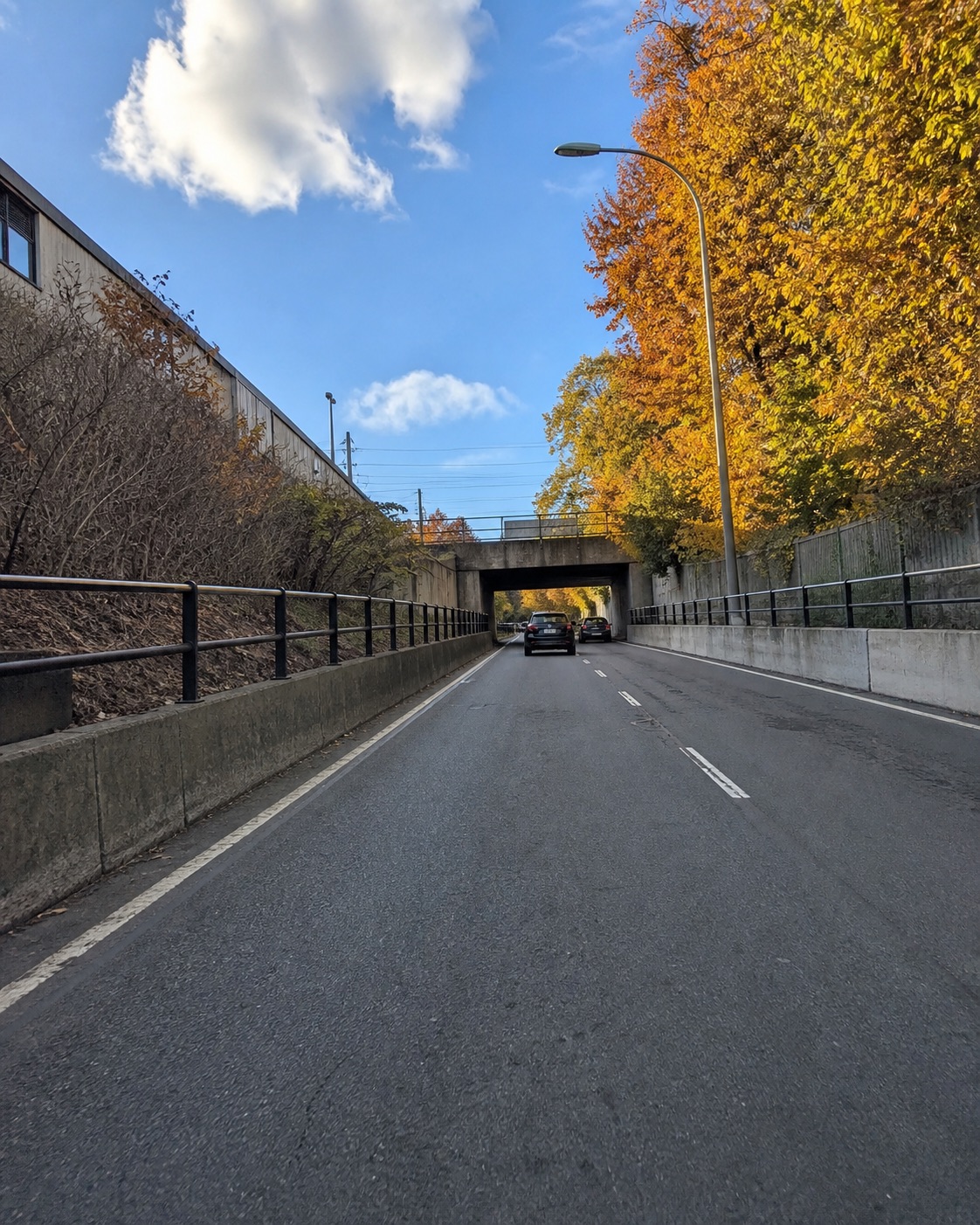
The generated Route 46 scene here depicts an underpass, walls, vehicles and autumn trees, with no identifying route number. It is an illustration inspired by a corridor setting, not a verified Little Falls collision point. Your inspection file should use your own records for vehicle-specific questions. A close image of a panel may show damage at that stage without explaining the whole contact sequence. Tell the recipient what each real image can help identify.
Label each estimate before comparing them
Use a version table with four fields: provider, document date, version label and related inspection or request. This is useful when an initial estimate is followed by a revised assessment or another provider’s document. Preserve both versions so you can identify which one a representative has actually seen.
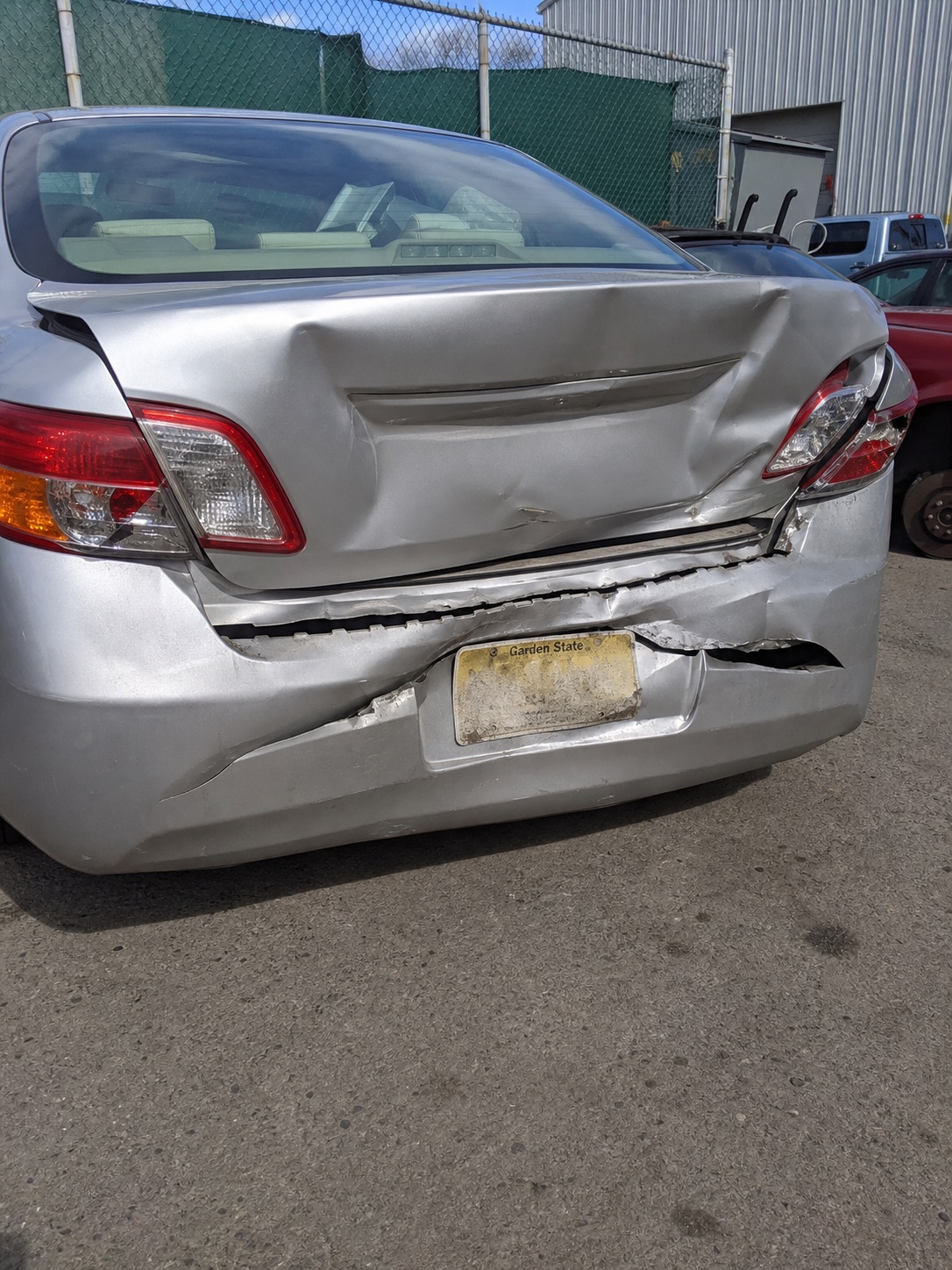
Ask concrete questions: Is this the estimate you are reviewing? Does the later document replace the earlier one for this discussion? Which item needs explanation? If an extra page is mentioned, do you have it? Keep the answers with the relevant version. The generated bumper illustration represents no actual assessment or payment. Your estimate trail is useful because a provider or insurer can locate the document and item being discussed, rather than compare totals remembered from separate calls.
Confirm the appointment with a specific message
Hypothetical example, not a real case: “The vehicle is at [facility], according to [confirmation source]. I have Estimate A dated [date] and a later version from [provider]. Please confirm the inspection location, which version you want, and whether you need the existing photos before the appointment.” Use only arrangements and documents you can actually identify.
Keep the response with the appointment entry. A proposed booking, changed arrangement and completed inspection are different stages. If the appointment changes, record the new information and ask whether the material already supplied remains relevant. A message about inspection logistics should not silently become an agreement to authorize work. Questions about that wording belong with the actual provider or appropriate professional who can explain the document’s scope.

Prepare questions about the resulting document
When an inspection or assessment produces a record, identify the document and the source. Ask where unclear wording or an item can be explained. Save the response beside the relevant version. A concise list can include the item being discussed, the question and any additional record requested.
Read an answer for the issue it addresses. A response about one part should not silently become a conclusion about the entire file. If another contact supplies an explanation that sounds different, compare the subject and version before asking for clarification. This keeps the discussion grounded in the documents actually available. It is more useful than trying to resolve an apparent disagreement using a general headline about Route 46 accidents or another person’s repair result.
Keep the administrative trail compact
A private index can connect the request, arrangement, photographs, estimate and resulting explanation. Put the reference and recipient beside each stage. When sharing, verify the destination and send the material needed for the task. Keep the submitted copy and any receipt confirmation.
There is no need for every contact to receive the full accident archive. Separate personal, medical and policy information according to the actual request and appropriate process. The paperwork illustration uses blank documents and is not a recommended place to store records on a dashboard. Your real index should make relevant files easy to find securely. A compact trail helps the next conversation begin with the document still needing an explanation rather than another search through repeated attachments.
Finish with the next practical question
A useful inspection conversation ends with clarity about the next item: a missing image, version confirmation, document explanation or follow-up arrangement. Record who will take the action and what has actually been agreed. Then update the trail when the answer arrives.
The historical NJDOT source supports Little Falls geography only and supplies no current road layout or work claim here. This guide offers editorial help with paperwork, not a repair authorization, fault determination or coverage decision. Health concerns require appropriate care, and legal questions require qualified advice based on the circumstances. An inquiry creates no representation or compensation promise. You can make the file more useful by resolving one document question at a time while preserving the location, source and stage of the records already in it.