Name the interrupted task before collecting the whole trip
A collision while running an errand can leave records in several places: an appointment confirmation, shop receipt, vehicle message and insurer email. Start by naming the immediate task you need to follow up. Is it identifying the claim contact, locating an estimate or explaining an appointment change? A clear task helps you choose relevant documents instead of sending the entire day’s archive.
Route 70’s official corridor background spans Pennsauken, Cherry Hill and Evesham, with project limits from Route 38 to Cooper Avenue. That is a broad geographic frame, not the location of your particular event. Preserve the road and access details you know separately from the destination. A business address may explain where you intended to go without establishing where the collision happened or which office handled it.
Create an access note for later conversations
An insurer or professional may need to understand whether the event happened along Route 70, on a turning movement or inside a property. Write a short access note based on your recollection. Identify any sign or cross street you actually remember. If a destination was reached through a separate approach, do not assume the postal address identifies that approach.
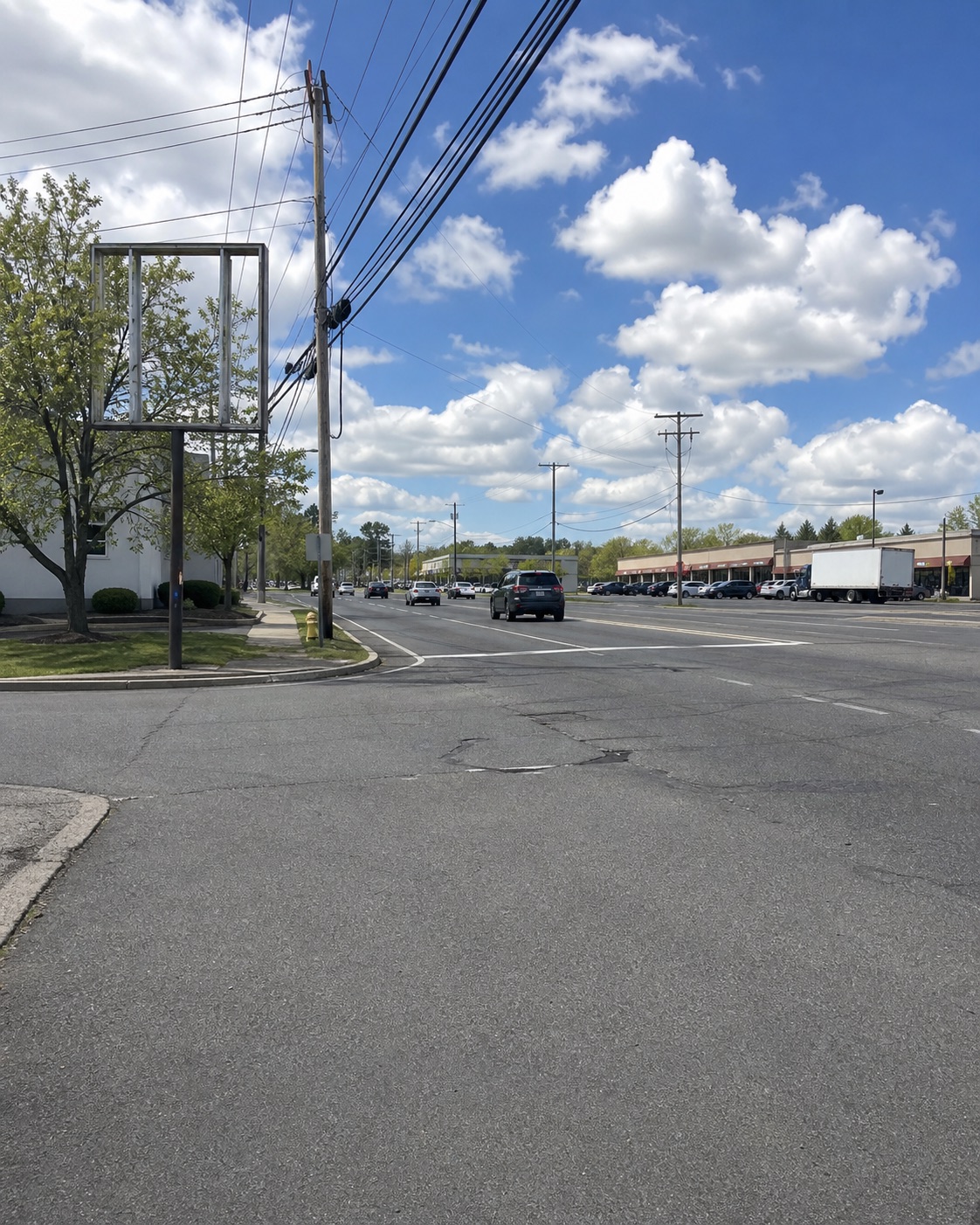
NJDOT’s project discussion mentions jughandles and signals along the corridor, but it does not establish the movement relevant to your accident. A generated illustration cannot supply that answer either. Use the road image here to recognize the category of setting, not as a map. Keep uncertainty visible so a later request can ask for the missing location detail instead of relying on a precise-sounding address that was never verified.
Keep appointment changes factual
If the collision interrupted an appointment, save the original confirmation and any cancellation or rescheduling response that is relevant. Write what changed and when you learned it. A calendar entry proves an intended arrangement only to the extent its contents show it; it should not be treated as a record of the accident itself.
Do not automatically describe an inconvenience or charge as a recoverable claim item. If you want to ask about it, take the actual record and ask the appropriate professional what, if anything, is needed for consideration. Keep that question apart from medical treatment decisions or vehicle repair requests. The practical benefit of the appointment record is that you do not have to reconstruct the interruption from memory when a provider or reviewer asks for the chronology.
A shop receipt and a repair estimate do different work
A shopping receipt can identify a transaction, location or printed time. A vehicle estimate describes proposed work or assessment information. Label the documents accordingly so they are not cited for a purpose they cannot support. A receipt from a shop does not establish the maneuver near its entrance, and an estimate does not reconstruct the traffic sequence.
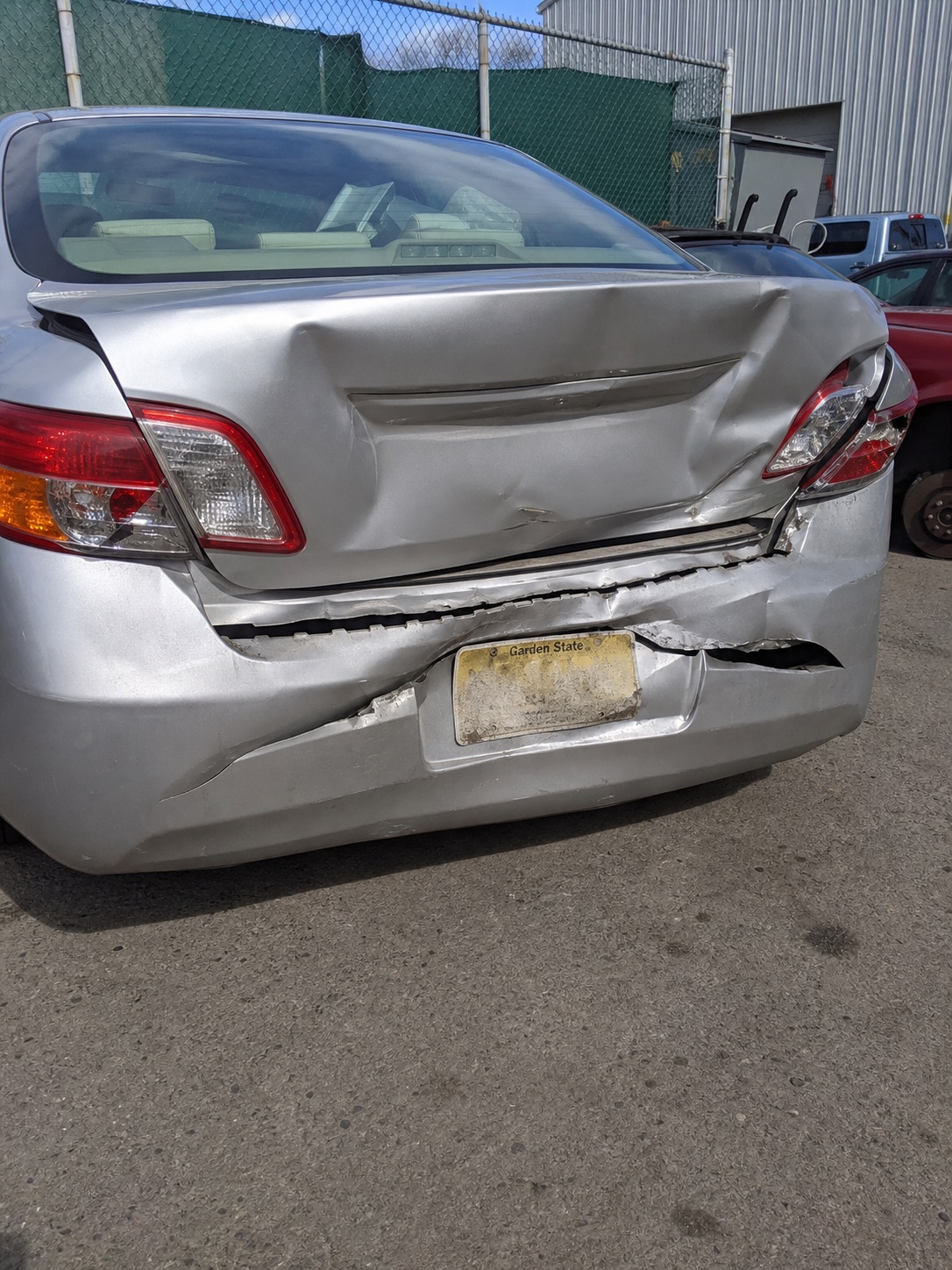
If a document’s time differs from your recollection, retain the difference rather than adjusting the record. Clarify which time is a transaction time, which is a document creation time and which is your approximate accident time. The generated bumper image is no substitute for an actual estimate. It is an illustration of visible damage, not a valuation or a claim example. An accurate label can make each real document more useful without exaggerating its meaning.
Ask which version of the estimate is needed
A repair discussion can produce an initial estimate, another assessment and later correspondence. Before submitting a file, identify the version and the person requesting it. Keep a copy of the submission and any confirmation. If a new version arrives, give it a date or clear label rather than replacing every earlier file with the same filename.
Ask whether the recipient needs the estimate itself, additional photographs or clarification from the provider. Do not interpret this article as approval to authorize work or as a statement of what an insurer must pay. Those decisions require the actual documents and relevant advice. The organizing task is continuity: the next conversation should begin with the same version both people are discussing, not two documents that happen to have similar titles.
Build a request sheet for the insurer
A request sheet can contain the representative, company, claim reference, subject and next item. Keep vehicle damage, accident description and medical coverage questions distinctly labeled. When a call moves between topics, write the transition rather than assuming every answer applies to the whole accident.
If you lack a requested file, say so and ask for clarification. A missing record should not be replaced by a guessed number or another person’s account presented as your own. Before sharing personal or medical material, verify the recipient and method. Keep important written explanations with the request they answer. This can help when you need to ask why something is requested again or whether a response concerns the same subject you raised in the previous discussion.

Preserve the report lead without guessing an agency
The corridor crosses municipal boundaries, so a destination near Cherry Hill is not enough to identify the responding agency. Use the agency name or reference actually supplied at the event, if available. Label service-provider and insurer numbers separately from an incident or report reference.
If you do not know which agency handled the event, prepare the date, road, direction and known location for an appropriate inquiry. Ask how to identify the record and retain the response. A search returning no result may reflect a missing identifier rather than the absence of a record. Do not silently select a nearby office from a map and treat that selection as confirmed. The report question belongs in your task list until a reliable response supplies the relevant contact or reference.
Keep project notices out of the claim file unless relevant
Searching Route 70 can produce official project pages with broad plans and historic schedules. Save a notice only for the question it can address, with its publication date and stated location. A page about corridor improvements does not establish current work at an access point or the cause of a collision.
This article uses stable geography from the official overview and makes no current construction claim. If a temporary feature affected your observations, record what you actually saw and ask about material tied to the accident date. Do not use a project’s overall existence to replace that missing connection. Separating background from event-specific evidence helps a reviewer understand why a document entered the file instead of assuming that every saved page describes the same scene.
Close the day’s file with a concrete next step
At the end of a follow-up session, write one sentence identifying the next action and recipient: obtain a missing estimate page, confirm an appointment change or clarify the report reference. Then save the answer beside that entry when it arrives. A short task list is often easier to use than a long narrative repeatedly copied into emails.
The records can support a clearer conversation without establishing fault, insurance benefits or reimbursement of a particular expense. For health concerns, seek appropriate medical care. For legal questions, consult a qualified lawyer and ask what the proposed next step involves. An inquiry does not create representation or promise a result. The useful distinction is practical: an errand destination, an accident location and an insurance request are connected events with different records, and each should retain its own label.