A disrupted trip needs a practical plan first
A trip toward Long Beach Island may involve a household, several passengers or people expecting you at the other end. When a collision interrupts that journey, the first concern is safety and appropriate care. Once those needs have been addressed, identify the practical decisions that cannot wait: who needs transport, where the vehicle went and who should be told about the change of plan.
You do not have to settle the accident account before arranging those things. Keep the travel plan on one page and the accident information on another. If someone offers help, give them a specific task. A person arranging a ride does not need to become the source for every detail about the collision. Clear jobs can make an unsettled day easier to manage.
Describe the part of the crossing you actually reached
NJDOT's Route 72 location material places the corridor in Ocean County, through Stafford Township and Ship Bottom. That gives useful background for a conversation about the journey between the mainland and Long Beach Island. It does not locate an individual collision or establish today's lane arrangement. The project material is historical, rather than a live traffic update.
In your own account, distinguish heading toward the crossing, traveling through the corridor and arriving on the island. Use a sign, road name or landmark only when you recognize it reliably. If you are unsure whether the impact occurred before or after a particular feature, say that. You can describe the purpose and direction of the journey without deciding the exact place from a generic illustration or a memory of a previous visit.
Let each passenger keep their own account
A car can contain several people with different views of the same event. One passenger may have been looking through a side window; another may have noticed the vehicle's movement but not the road ahead. Ask them to write what they remember in their own words, with their name and the date of the note. Keep the accounts separate.
Do not invite everyone to agree on a single story before anyone writes it down. A shared conversation afterward can influence how people describe a detail. It is reasonable for one person to remember something another missed. Mark information you learned from a passenger as their observation. Keeping those viewpoints visible is more useful than producing a smooth account that implies one person saw every part of the trip.
Record what happened to the journey afterward
Note where you went after the collision and how you got there, as far as you can reliably establish. A transport confirmation or a message to someone waiting for you may support that later part of the day. Its timestamp does not automatically identify the exact moment of the accident. Give each record the job it can actually do.
If your group separates, keep a practical contact list privately and record who has the documents handed out. Avoid leaving the only copy of an important paper with someone whose journey is continuing elsewhere. You can ask for a photograph or scan while preserving the original. The aim is to make the file available when you return to it, not to have passengers circulate private records more widely than necessary.

Keep travel expenses factual and separate
A changed journey can produce receipts for transport or other arrangements. Save the documents for expenses you actually incurred and identify what they relate to. Separate an original booking from a later change or refund. Do not count the same payment twice because it appears in an email and a bank notification.
Ask the company involved to explain an unclear charge or written arrangement. If an insurer discusses an expense, record which claim and representative the conversation concerns. A travel disruption does not, by itself, establish that a particular person or policy must reimburse it. This article suggests how to keep the facts organized. It does not decide whether an expense is recoverable, set a claim value or interpret the conditions of your bookings.
Choose photographs for their purpose, not their drama
An original photograph may show visible damage, a road feature or the position of a vehicle when the image was taken. Identify which of those purposes it serves. Keep the original file and note whether vehicles had already moved. A close view of a panel may be useful for damage but tell a reader very little about the surrounding road.
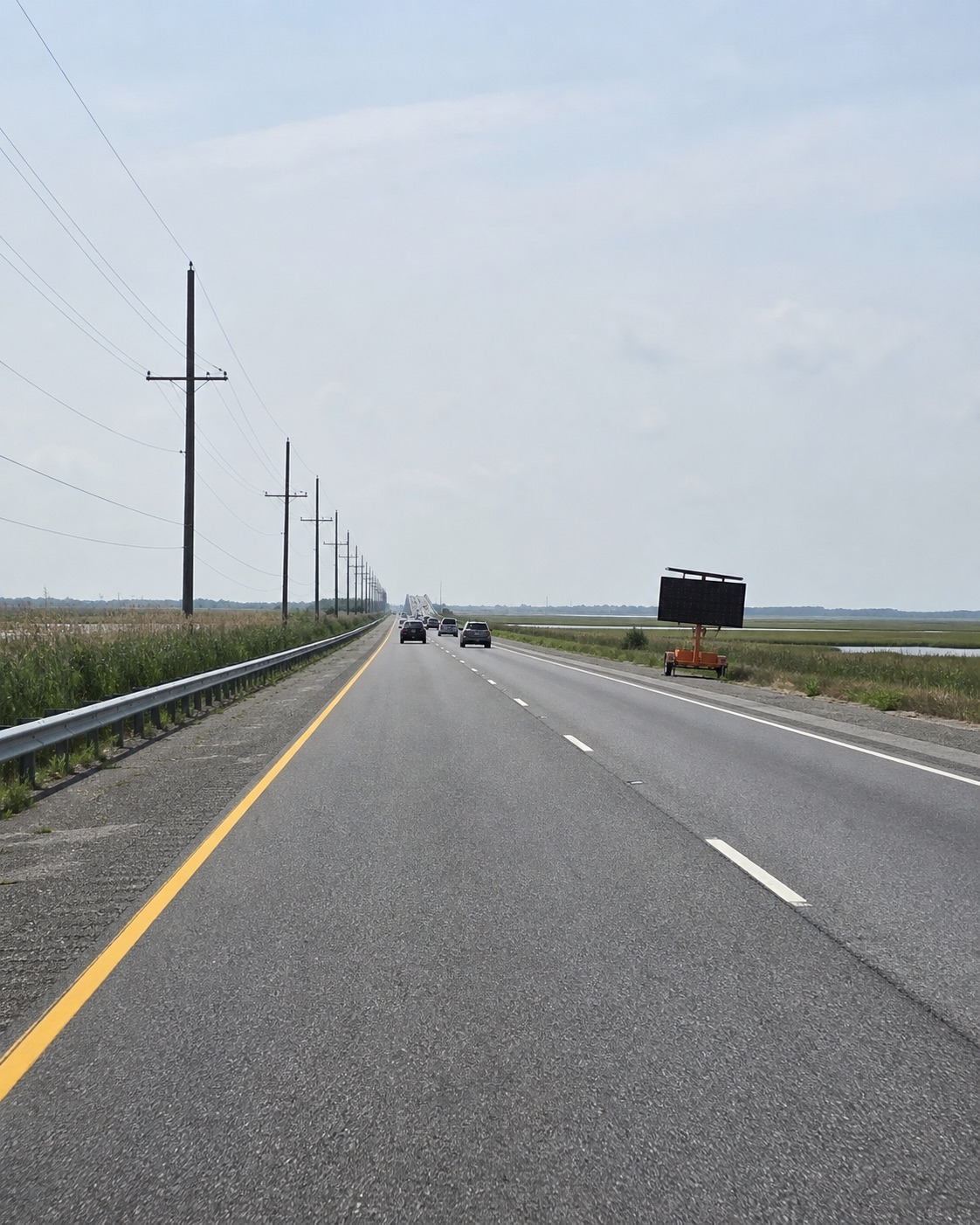
Do not return to an unsafe road position to complete a collection of pictures. It is acceptable to explain that a photograph was not safely available. The illustrations in this guide help separate the road, the vehicle and the paperwork in your thinking. They are not photographs of your accident, a verified current traffic layout or evidence of another driver's conduct.
Build one private folder for the returning-home conversation
You may not be able to organize everything until later. Start a folder that can travel with you: the accident date, the location information you know, any report or claim number, original images and the correspondence received so far. Keep vehicle documents and health-related material in separate parts of that folder.
Before forwarding an attachment, confirm the intended recipient and which file or claim it belongs to. If someone asks for information you do not have, record the request and seek clarification. Our insurance call log and accident records guides can help you arrange these details. There is no need to publish the folder in a local group to make it useful. Private records should remain private while you identify the appropriate next conversation.

Make the question smaller than the entire accident
When you ask for help, identify the unresolved point. Perhaps the location description needs checking, a document has conflicting vehicle details or a written request names a company you do not recognize. Bring the item connected with that question. A short account of your role in the trip can help the listener understand why the issue matters to you.
Seek a qualified lawyer's advice for legal questions about the actual circumstances, and appropriate medical advice for health concerns. A familiar shore route does not establish responsibility, coverage or an outcome. You can be a visitor who does not know every local road name and still give a useful, honest account. The important distinction is between what you know and what remains to be checked.
Finish with a next step you can recognize
At the end of the day, write the one action you intend to take next. Confirm where the vehicle is held. Locate the original paper. Clarify the destination for a requested document. If you are waiting for a reply, record who you contacted and when. Leave the open question beside the task so you remember its purpose.
Then give the folder a stopping point. You do not need to turn every interruption to the trip into a conclusion about the accident. Clear observations, private documents and specific questions are enough to start a useful conversation. Read our consultation preparation guide or learn how an inquiry works if you need help deciding the next step. General website information does not establish representation or guarantee compensation.