Start with the day you were having
An accident can leave the unfinished parts of an ordinary day waiting for you. Shopping is still in the car. Someone expects a lift. A work shift or appointment is approaching. Once urgent safety and health needs have been addressed, make a short practical list of what needs arranging. Keep it separate from the account of the collision.
This helps when a friend asks what they can do. They can collect a person, save a receipt or help you find a contact without having to answer questions about responsibility. Do not feel you need a polished accident story before accepting practical help. You can begin with what is certain, identify what is still unclear and give yourself time to gather the documents already being produced.
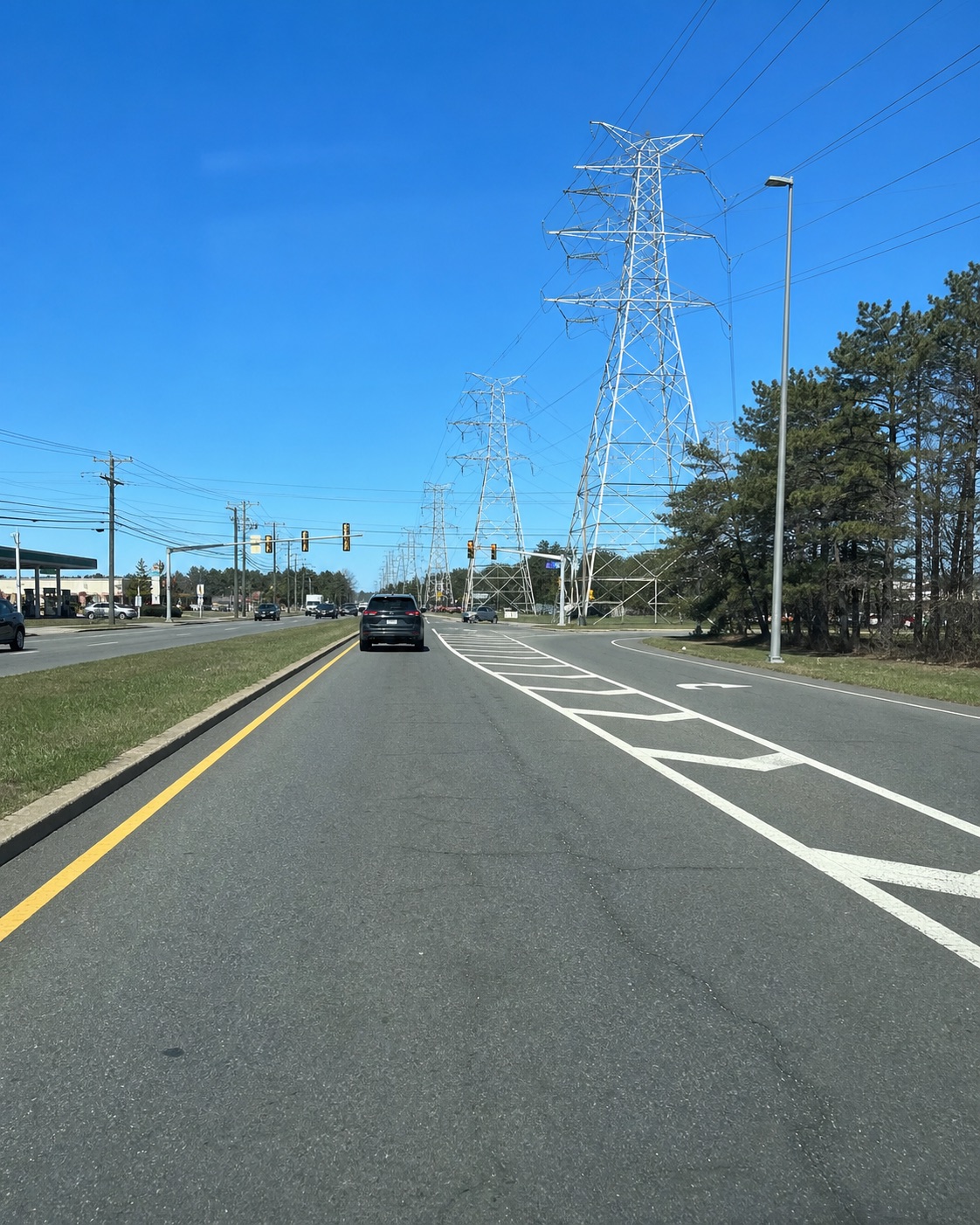
Say which part of Route 37 you mean
“Route 37 in Toms River” identifies a road and a community, but the person reading your file may picture a different part of your trip. You might have been near a signal or a driveway, approaching the bay crossing or somewhere else along the road. Name the cross street or landmark only if you actually remember it.
For geographic context, NJDOT identifies the Mathis and Tunney bridges as carrying Route 37 over Barnegat Bay between Toms River and Seaside Heights. That bridge background is useful when it fits the location. It should not be attached to every Route 37 accident. The source page includes historical project information; this article does not treat it as an account of current construction or tell you which traffic arrangement applied on your accident date.
Use your errand as a memory aid, not as proof
The reason for your trip can help you start a recollection. You may remember that you had just left an appointment or were going to collect someone. Write that down, then distinguish it from the precise road position. Remembering your destination does not establish a signal color, the lane another driver used or the exact time of impact.
If you look at a map later, label that information as a later check. A business that looks familiar is not automatically the place beside the collision. Ask a passenger for their own recollection before turning an uncertain landmark into a shared conclusion. A useful file can say that the trip purpose is clear while the nearest intersection still needs confirmation. Those are separate questions, and they deserve separate answers.
Arrange the next ride without mixing it into the claim
If the car is unavailable, you may need to arrange a lift, public transport, a taxi or another option appropriate to your circumstances. Keep the confirmation and any receipt for the journey you actually took. Identify the date and purpose in your private notes. Avoid making a running total from journeys you have not yet arranged or costs you have only guessed.
If an insurer or another business discusses a replacement vehicle or transport, preserve the actual terms they provide. Confirm who made the statement and which claim it concerns. A friend's experience with a previous accident may be reassuring, but it is not confirmation of the arrangements for yours. This guide helps you document the practical conversation; it does not establish an entitlement to a particular vehicle or expense.
Give the repair paperwork its own place
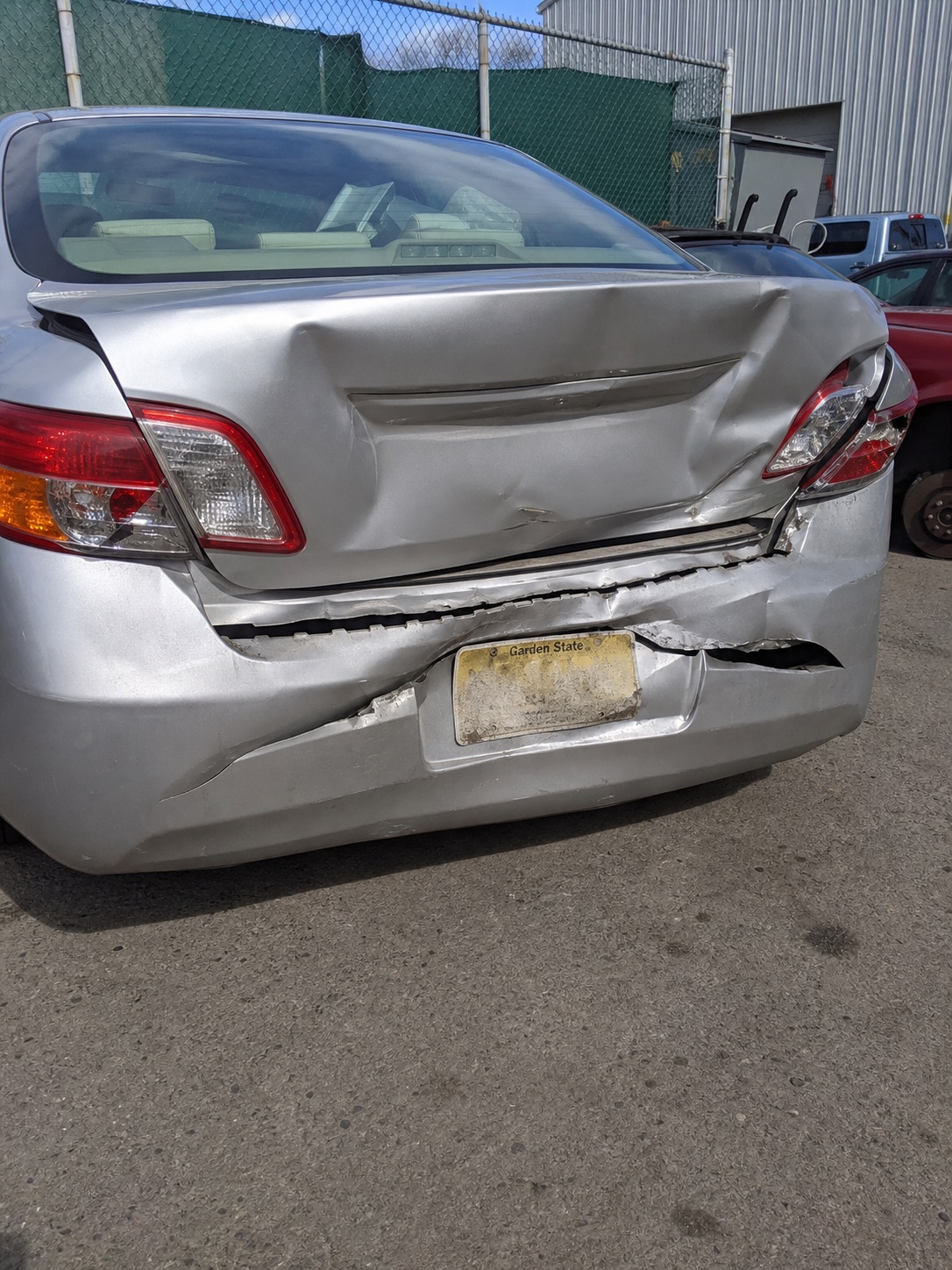
An estimate, a towing invoice and a photograph of damage do different jobs. The estimate describes proposed work, the invoice records a charge or service and the photograph shows what was visible when it was taken. Keep them together under a vehicle heading, but do not treat them as interchangeable explanations of the collision.
Check the names, dates and vehicle identifiers on documents you receive. If something appears inconsistent, ask the business that issued it to clarify the specific entry. Preserve the original rather than correcting its wording yourself. Note whether a picture was taken after the vehicle had moved. A car photographed beside a driveway at the end of the day may not have been in that position when the contact occurred.
Keep a short record of each request
A call can sound helpful and still leave you unsure what to do next. Before ending, summarize the request in plain language: which document, which claim and which verified destination? Ask how receipt will be confirmed. If you do not have the item, explain that and ask what would make the request clearer.
Create a separate entry for each company and conversation. Record the date, the representative and the next action. Use an exact quotation only when you have recorded it accurately; otherwise call it your summary. Our insurance call log guide provides a fuller example. This small habit is useful after a Route 37 accident because the location conversation, the vehicle discussion and any health-related paperwork can otherwise end up in one long, confusing note.
Protect private information while asking for help
You may want a quick opinion from a neighborhood group or someone who knows the road. Keep private documents out of public posts. A useful general question does not need your full report, insurance details, treatment paperwork or another person's contact information attached. Before sending records privately, confirm who will receive them and why that specific item is needed.
The same care applies when someone offers to help organize the folder. Share the practical task they need to complete without giving them an entire file unnecessarily. Keep originals of photographs and correspondence available in your own records. If someone creates a marked-up copy to explain a point, preserve it as a copy. An annotation can be helpful without becoming the original record of what the camera captured.

Bring the unclear part into a focused conversation
You might be certain you were a passenger and unsure which company should receive a document. Or you may know the claim number but not understand a written explanation. Start with that specific issue. Bring the relevant message and your notes about the request, rather than expecting a listener to work out the question from a stack of unrelated papers.
When the issue concerns legal rights, an agreement or responsibility, discuss the actual records with a qualified lawyer. If you have health concerns, seek appropriate medical advice. This article does not assign fault, explain every insurance rule or predict a settlement. Its purpose is to make a local accident file understandable enough that the next person can identify what needs attention.
Leave a useful stopping point for today
You can stop organizing when tomorrow's next step is clear. Put the latest correspondence in the folder, write down the outstanding question and identify who you intend to contact. If you are still uncertain whether the accident was near a bridge approach or farther along the mainland road, leave that uncertainty visible. A confident-looking guess makes more work later.
Return to the practical routine around you as far as your circumstances allow. The folder is a tool, not a second full-time job. Our accident records guide can help you choose what to keep, while the consultation preparation guide can help you plan the next conversation. Read how an inquiry works before sharing personal information. The website provides general information and does not promise a case result.